
Unlock the Nutritional Power and Top Health Benefits of Cabbage
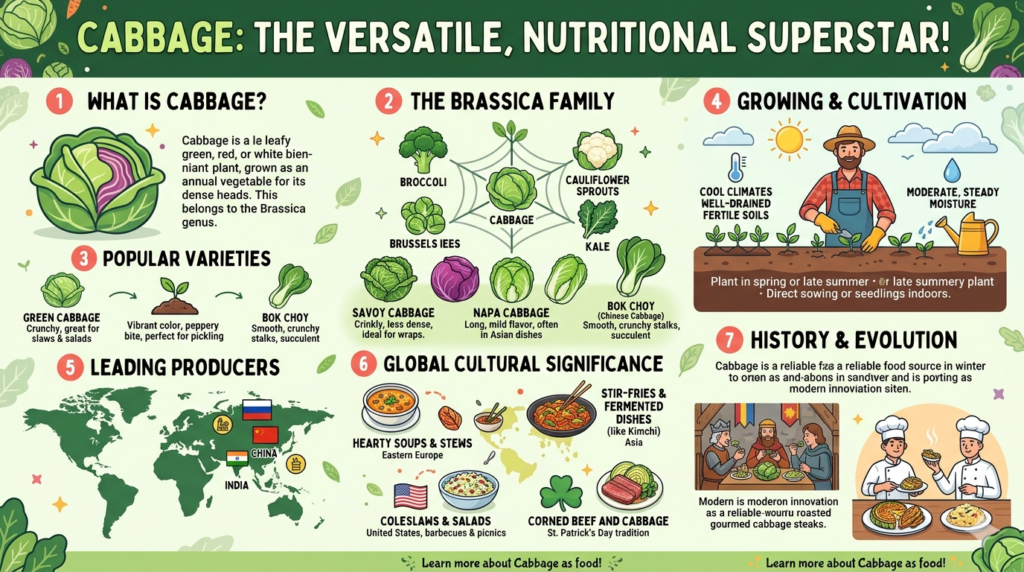
Cabbage is a leafy green, red, or white biennial plant grown as an annual vegetable for its dense-leaved heads. It belongs to the Brassica genus, making it a close relative of broccoli, cauliflower, Brussels sprouts, and kale. This multi-layered, crunchy vegetable is famed for its versatility and nutritional benefits.
https://www.brownhealth.org/be-well/cabbage-and-benefits-overlooked-superfood
When it comes to cabbage varieties, there’s quite the selection. You’ve got your standard green cabbage, the most common and often used in salads and slaws. Red cabbage is similar but with a peppery bite and vibrant color, perfect for pickling. Savoy cabbage presents a crinkly texture, which is less dense and great for wraps. Napa cabbage is longer with a milder flavor, often found in Asian dishes. Bok choy, also known as Chinese cabbage, is popular in Asian cuisine, offering smooth, crunchy texture and succulent stalks.
Cabbage thrives in cooler climates, taking in regions with well-drained fertile soils. Countries like China, India, and Russia are leading producers due to their favorable climates. It can flourish under different conditions but prefers a lot of sunlight and a moderate, steady supply of moisture. Gardeners and farmers tend to plant cabbage in the spring or late summer to capitalize on cool weather, maximizing growth and flavor.
Growing this vegetable involves either direct sowing in the ground or starting seedlings indoors before transferring them outside. The soil should be rich and moist with enough space between plants to avoid overcrowding, which promotes healthy leaf expansion and head formation.
In the plant world, cabbage has quite a few siblings. It shares the Brassica family with vegetables that hold similar nutritional profiles and growing habits. This includes broccoli with its bushy green ‘trees’, cauliflower with its dense, white curds, and Brussels sprouts with their mini cabbages. Knowing these relationships helps understand the traits and care methods these plants share.
Current Cultural Significance of Cabbage
Cabbage holds a unique place in cuisines around the world, thriving as a staple in various culinary traditions. It’s particularly popular in Eastern European dishes, where it’s often the star in hearty soups and stews. In Asia, cabbage varieties like Napa and Bok Choy are central to stir-fries and fermented dishes like kimchi, offering unique flavors and essential nutrients.
In the United States, cabbage makes frequent appearances in coleslaws and salads, acting as a refreshing side for barbecues and picnics. Its ubiquity stems from its adaptability to different cooking methods and flavor profiles.
A fascinating cultural note is cabbage’s association with St. Patrick’s Day. This vegetable is closely linked with Irish cuisine, primarily through the dish of corned beef and cabbage—a must-have on March 17th. The Irish-American tradition emerged from the affordable nature of these ingredients during the 19th and 20th centuries, solidifying its festive status.
Historically, cabbage has played a vital role in feeding populations through the ages. Its hardiness and ease of storage made it a reliable food source during harsh winters or difficult times. As early as the Middle Ages, it was cultivated extensively and valued for its long shelf life and nutritious leaves.
Today, cabbage continues to evolve in the culinary world. Chefs find innovative ways to incorporate it into modern recipes, from crispy roasted cabbage steaks to cultured creations like sauerkraut. Its versatility allows it to be both a humble, comforting food and a trendy, sophisticated ingredient in gourmet kitchens.
The Historical Journey of Cabbage: From Ancient Times to Modern Days
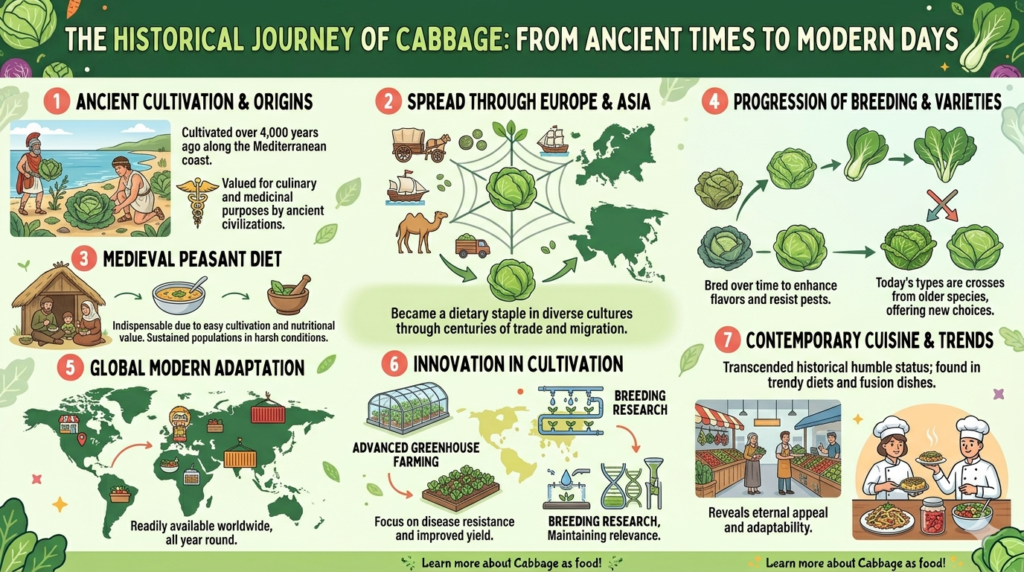
Cabbage’s roots delve deep into history, with evidence pointing to its cultivation over 4,000 years ago along the Mediterranean coast. This early domestication marks its importance in the diets of ancient civilizations, particularly the Greeks and Romans, who valued it both for culinary and medicinal purposes.
Through the centuries, cabbage found its way north and east, becoming a dietary staple across Europe and Asia. In medieval times, it was indispensable in peasant diets due to its easy cultivation and nutritional value, sustaining populations with its hardy nature.
The progression of cabbage from ancient cultivation to its current forms showcases its adaptability and resilience. Popular varieties have been bred over time to enhance flavors and resist pests, demonstrating human innovation in agriculture. Today, many cabbage types are crosses between older species, offering more choices in terms of taste and texture.
Modernization in cultivating practices has allowed cabbage to maintain its staple status. Innovations such as improved storage and transportation methods ensure that cabbage remains readily available globally, all year round. Breeding efforts focus on enhancing disease resistance and improving yield, making cabbage as relevant today as it was in ancient times.
In contemporary cuisine, cabbage has transcended its historical humble status, appearing in trendy diets and fusion cuisines. The demand for new tastes and healthy options keeps cabbage in the spotlight, revealing its eternal appeal and adaptability. As both classic and progressive dishes adopt cabbage, this vegetable exemplifies how ancient foods can remain significant and evolve within modern food landscapes.
Cooking with Cabbage: Techniques, Recipes, and Benefits
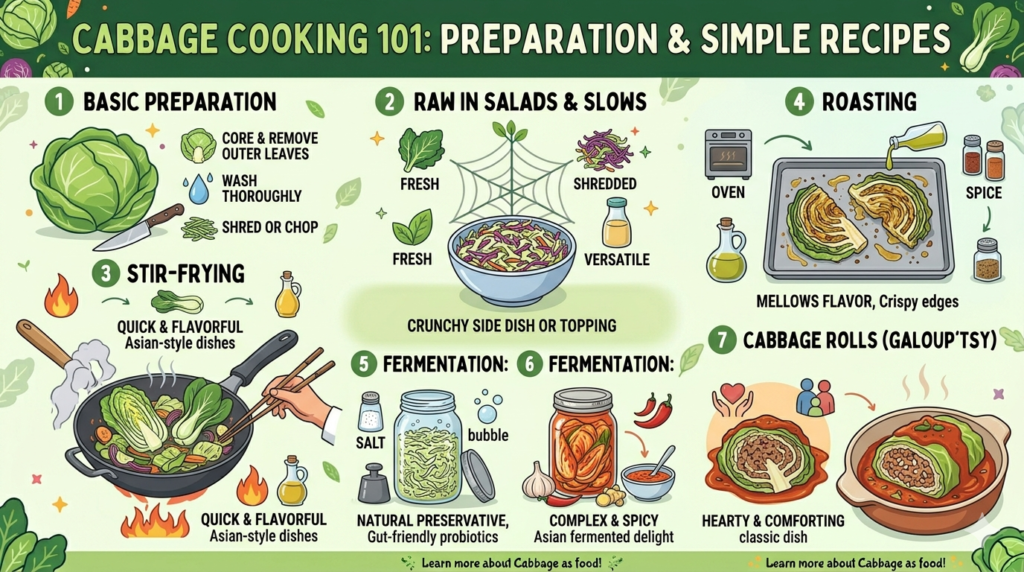
Cabbage is more than just a salad ingredient; it’s surprisingly versatile in the kitchen. Whether you’re simmering, sautéing, or even frying, cabbage can adapt to a variety of cooking techniques. It pairs beautifully in soups, giving a pop of freshness and crunch or when roasted, offering a caramelized flavor profile that turns heads at the dinner table.
Fermentation is another avenue to explore with cabbage, leading to delicacies like sauerkraut and kimchi. These fermented foods not only bring a tangy flavor but also come packed with probiotics, supporting digestive health. Making sauerkraut at home requires just cabbage, salt, and some patience. The fermentation process enhances the flavor and nutritional profile, turning simple cabbage into a culinary favorite.
If you’re looking for quick and easy recipes, think of cabbage as a secret weapon in the kitchen. Dice it into stir-fries for a dish that comes together in minutes, or add it raw to fish tacos for crunch and freshness. Steaming or boiling cabbage leaves can turn them into great wraps, providing a low-carb alternative to tortillas.
Health benefits stack up when it comes to including cabbage in your diet. It’s low in calories while being high in fiber and essential vitamins like C and K. This makes it a great choice for those aiming to eat healthy without compromising on taste. However, remember that moderation is key—excessive consumption of cabbage might lead to digestive issues due to its high-fiber content.
Incorporating cabbage into your meals can offer substantial health rewards alongside flavor variety. Its affordability and availability throughout the year make it an easy choice for anyone looking to boost their nutritional intake. Embrace this humble vegetable and it might just surprise you with its remarkable benefits.
https://www.foodnetwork.com/recipes/photos/our-best-cabbage-recipes
https://www.foodnetwork.com/recipes/photos/our-best-cabbage-recipes
Hello JC,
This was such an interesting read. Cabbage is one of those foods that feels simple and almost old fashioned, but the more you learn about it, the more impressive it becomes. I had no idea just how nutrient dense it really is. The fact that something so inexpensive and easy to grow can be packed with vitamin C, vitamin K, fiber, and antioxidants really makes you look at it differently.
I also liked that you highlighted the health benefits without making it feel complicated. Sometimes we forget that everyday foods like cabbage can support digestion, heart health, and overall wellness just by being part of regular meals. It’s a good reminder that healthy eating doesn’t always have to mean exotic ingredients or expensive superfoods.
Do you have a favorite way to prepare cabbage that keeps the nutrients but still makes it really flavorful? I feel like people either love cabbage or avoid it completely depending on how they’ve had it cooked before, and I’m always curious how others make it a staple in their meals.
Angela M 🙂
Thanks Angela! As an Irish American who looks for easy to prepare options, I love boiled cabbage and find it a great side dish and helps to fill the stomach. Probably loses some of the nutrients but always a go to, especially this time of year. And at only 49 cents per pound it’s super cheap and efficient.