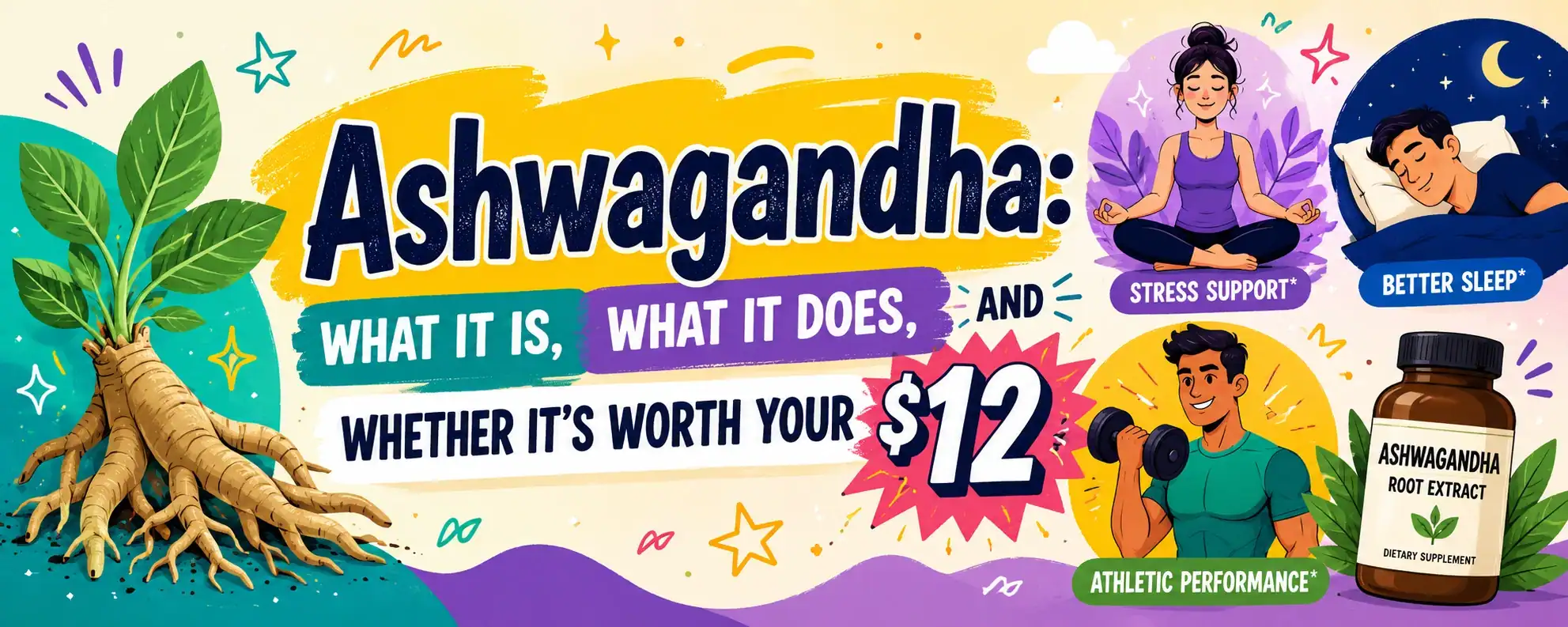
Ashwagandha is an ancient herbal root that’s been used in traditional Indian medicine for thousands of years. Today it’s one of the best-selling supplements in the country, and for once, the hype isn’t entirely baseless. Science is actually catching up with the legend on a few key fronts: stress, sleep, and athletic performance. Here’s everything you need to know before you buy.
Walk through the supplement aisle of any pharmacy right now and you’ll see ashwagandha on practically every shelf. It’s in capsules, gummies, protein powders, and fancy lattes. Wellness influencers swear by it. Your coworker won’t stop talking about it. Even your dentist probably has an opinion.
But what actually is ashwagandha? Is it legit, or is this just another “miracle herb” that’ll quietly disappear in two years like moringa and every other superfood du jour? Let’s dig in.
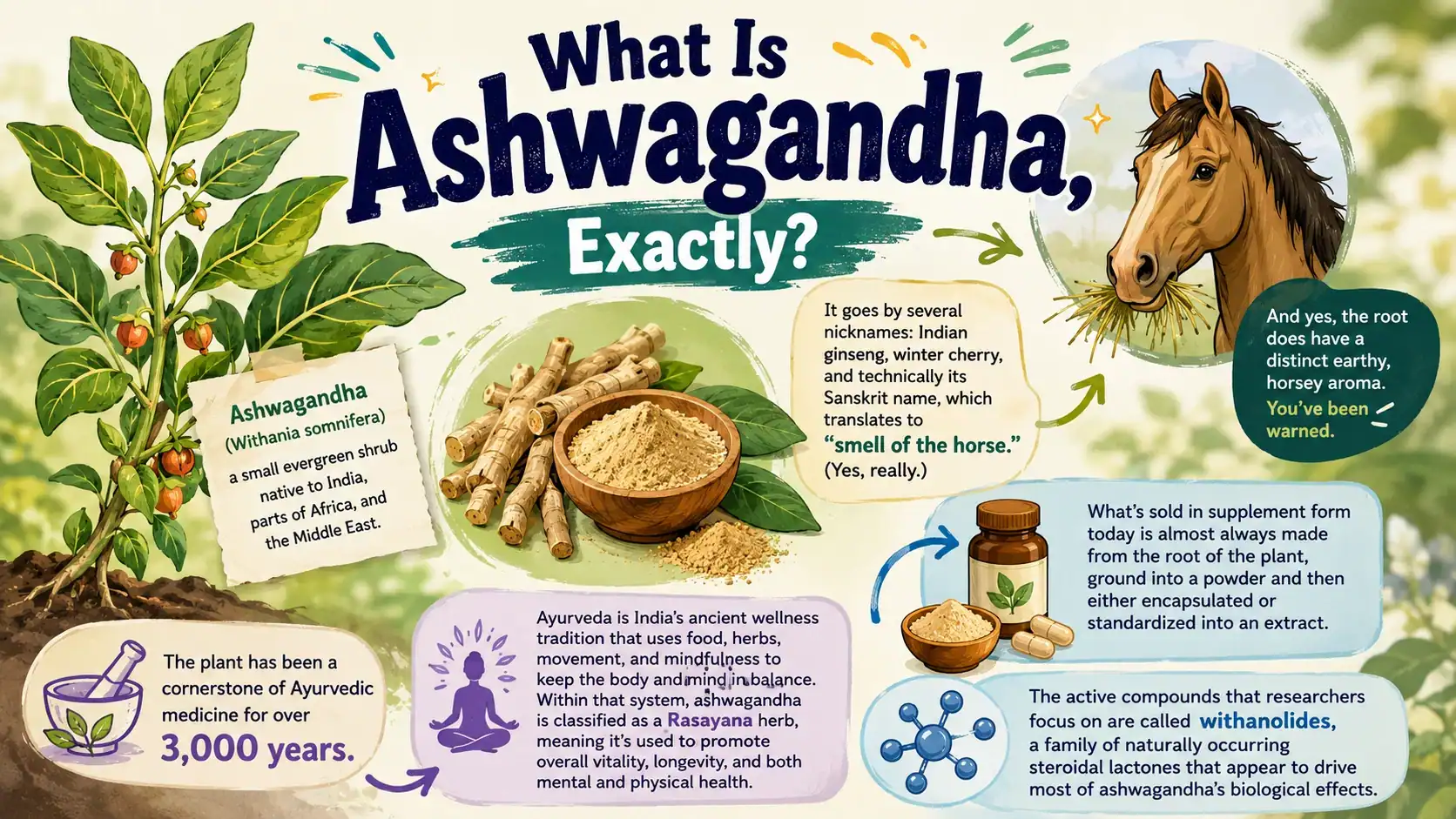
What Is Ashwagandha, Exactly?
Ashwagandha (Withania somnifera) is a small evergreen shrub native to India, parts of Africa, and the Middle East. It goes by several nicknames, Indian ginseng, winter cherry, and technically its Sanskrit name, which translates to “smell of the horse.” (Yes, really. And yes, the root does have a distinct earthy, horsey aroma. You’ve been warned.)
The plant has been a cornerstone of Ayurvedic medicine for over 3,000 years . Ayurveda is India’s ancient wellness tradition that uses food, herbs, movement, and mindfulness to keep the body and mind in balance. Within that system, ashwagandha is classified as a Rasayana herb, meaning it’s used to promote overall vitality, longevity, and both mental and physical health.
What’s sold in supplement form today is almost always made from the root of the plant, ground into a powder and then either encapsulated or standardized into an extract. The active compounds that researchers focus on are called withanolides, a family of naturally occurring steroidal lactones that appear to drive most of ashwagandha’s biological effects.
The Big Idea: Ashwagandha as an Adaptogen
You’ll see the word “adaptogen” attached to ashwagandha constantly, and it’s worth understanding what that actually means. Adaptogens are plants that are thought to help your body adapt to stress, not by sedating you, but by modulating the way your stress-response system fires in the first place.
The main lever here is cortisol, the hormone your adrenal glands pump out when you’re stressed. Cortisol isn’t inherently bad, you need it to wake up, focus, and respond to danger. But chronic elevated cortisol is linked to everything from weight gain and disrupted sleep to high blood pressure and brain fog.
Ashwagandha appears to lower cortisol levels. Multiple clinical trials have measured this effect directly, and several show a meaningful reduction in cortisol among people who take ashwagandha root extract regularly over 8–12 weeks. Less cortisol doesn’t mean you become some kind of emotionless robot, it just means your baseline stress dial is turned down a notch, which can have a cascade of positive downstream effects.
What Does the Research Actually Say?
Here’s where it gets interesting, and honest. Ashwagandha has a lot of traditional use behind it, and a growing body of clinical research supporting it. But the research is also still relatively young, often done with small sample sizes, and with inconsistent doses and formulations. So let’s separate what’s well-supported from what’s more speculative.
Stress and Anxiety: The Strongest Evidence
This is ashwagandha’s strongest category. Multiple randomized, double-blind, placebo-controlled trials, the gold standard of research, have shown that ashwagandha extract reduces perceived stress and anxiety scores in participants, alongside measurable drops in cortisol levels.
The evidence is compelling enough that an international task force assembled by the World Federation of Societies of Biological Psychiatry (WFSBP) and the Canadian Network for Mood and Anxiety Treatments (CANMAT) has provisionally recommended ashwagandha root extract, in a dose of 300 to 600 mg daily, standardized to 5% withanolides, as a treatment option for generalized anxiety disorder. That’s not a fringe endorsement; those are mainstream psychiatric organizations. They note more research is still needed for a stronger recommendation, but that provisional nod is meaningful.
Sleep: Real Results, Especially for Insomnia
Ashwagandha’s Latin species name, somnifera, literally means “sleep-inducing.” The ancients knew what they were doing. Modern research backs this up: studies show that ashwagandha supplementation can improve sleep quality, reduce the time it takes to fall asleep (sleep latency), improve sleep efficiency, and increase total sleep time. These benefits appear to be most pronounced in people who already have insomnia or chronic poor sleep, but even generally healthy adults show modest improvements in sleep quality in several trials.
The mechanism isn’t fully understood, but it likely involves both the cortisol-lowering effect and compounds in the root that interact with GABA receptors, the same receptors targeted by many common sleep medications, though through a much gentler pathway.
Athletic Performance and Muscle Recovery
This is a growing area of research, and the results are encouraging. Several clinical trials have found that people taking ashwagandha show improvements in strength, endurance, and recovery compared to placebo groups. One study published in 2025 found that ashwagandha extract improved energy levels and endurance in healthy adults in a randomized, placebo-controlled design. Other studies have shown increased VO2 max (a measure of cardiorespiratory fitness) and faster muscle recovery after resistance training.
The anti-inflammatory and antioxidant properties of withanolides are believed to play a role here — reducing exercise-induced oxidative stress so your muscles recover faster and you can train harder over time.
Cognitive Function and Memory
A growing body of research suggests ashwagandha may benefit brain health. Studies have shown improvements in reaction time, memory, and the ability to perform cognitive tasks among people taking ashwagandha extract. There’s also early research on its neuroprotective potential, the withanolides appear to protect neurons from oxidative damage and may reduce neuroinflammation.
A 2021 review concluded that ashwagandha may help manage depression, anxiety, insomnia, and other neurological issues, though the authors were careful to note that more and larger studies are needed. Still, the direction of the evidence is consistently positive when it comes to brain health.
Male Fertility and Testosterone
There is some limited but promising evidence that ashwagandha may increase testosterone levels and improve sperm quality in men. Studies suggest that 2 to 4 months of supplementation may produce meaningful effects in men with low or borderline testosterone. The research is far from definitive, but it’s one of the more frequently studied applications outside of stress management.
Blood Sugar, Inflammation, and Immune Function
Ashwagandha has demonstrated anti-inflammatory and antioxidant effects in laboratory and early clinical research. Some studies suggest it may help manage blood sugar levels, with effects somewhat comparable to diabetes medications in certain contexts, though this is far from a replacement for medical treatment. Research on immune function enhancement is still early, but the immunomodulatory potential of withanolides is an active area of study.
💡 Budget Tip: A month’s supply of a solid ashwagandha supplement (300–600 mg extract, standardized to withanolides) typically runs $10–$20. That puts it firmly in “worth trying” territory compared to many supplements that cost far more for far less evidence. Look for brands with third-party verification like USP, NSF, or ConsumerLab on the label.
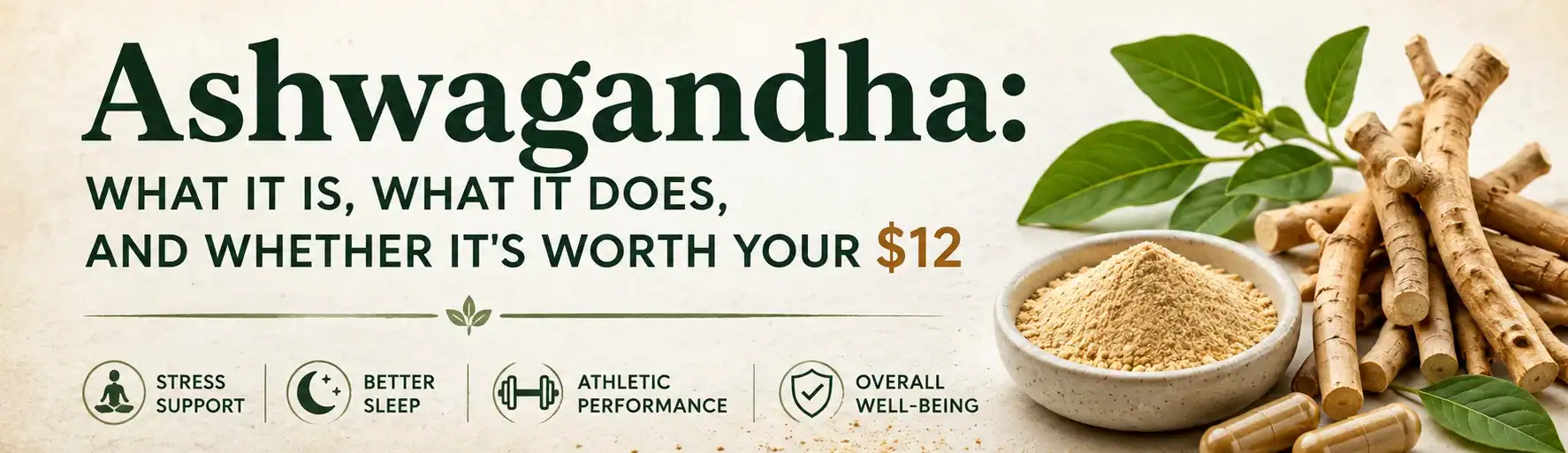
What Ashwagandha Is NOT (Yet) Proven to Do
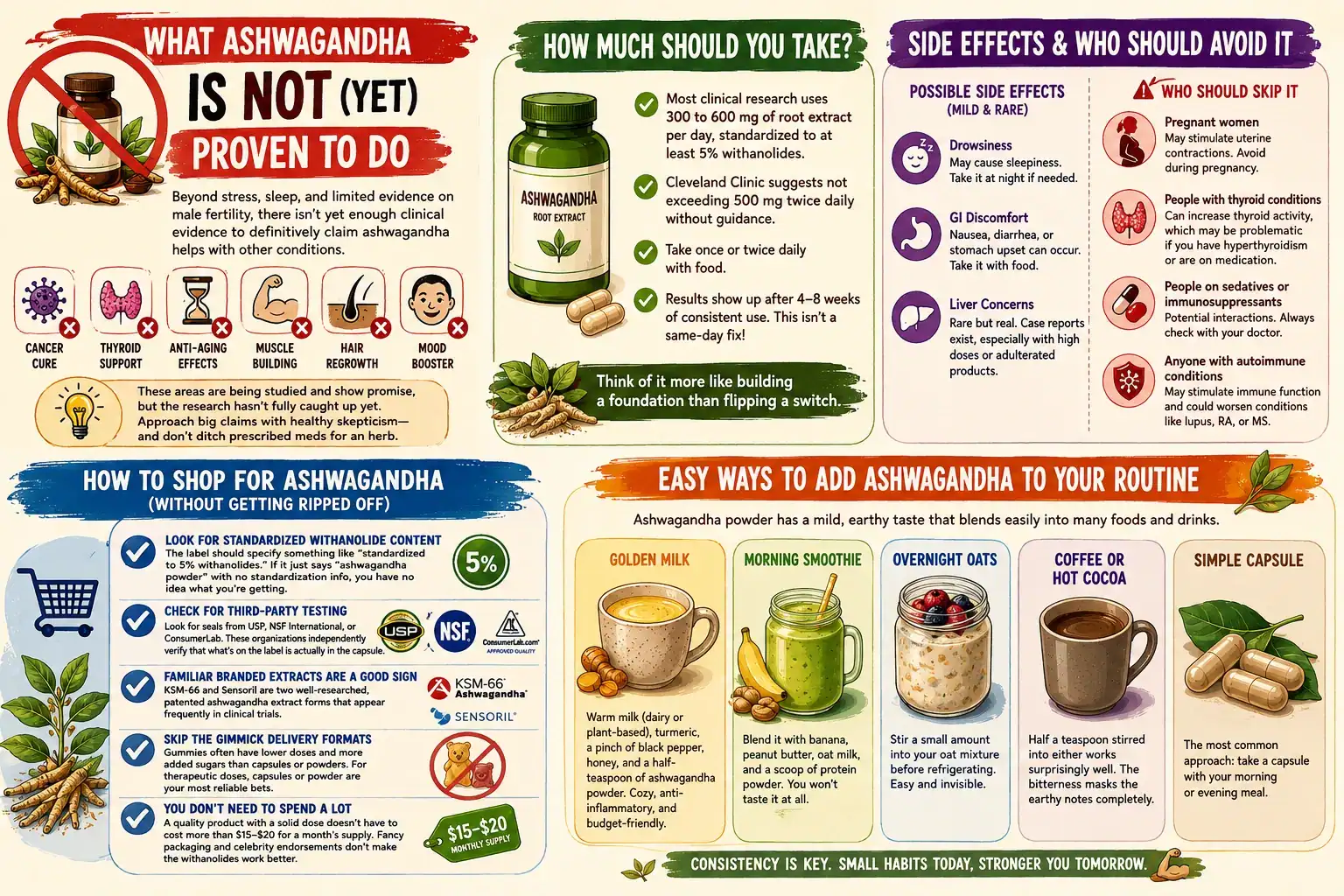
Let’s keep it real. You’ll see some breathless marketing claims about ashwagandha curing everything from cancer to baldness. Here’s what the National Center for Complementary and Integrative Health (NCCIH) says: beyond stress, sleep, and limited evidence on male fertility, there isn’t yet enough clinical evidence to definitively claim ashwagandha helps with other conditions.
That doesn’t mean the other claimed benefits are false, it means the research hasn’t fully caught up yet. Things like anti-cancer properties, thyroid support, and anti-aging effects are being studied, and some early results are intriguing. But you should approach those claims with appropriate skepticism and definitely not ditch any prescribed medication in favor of an herbal root.
 How Much Should You Take?
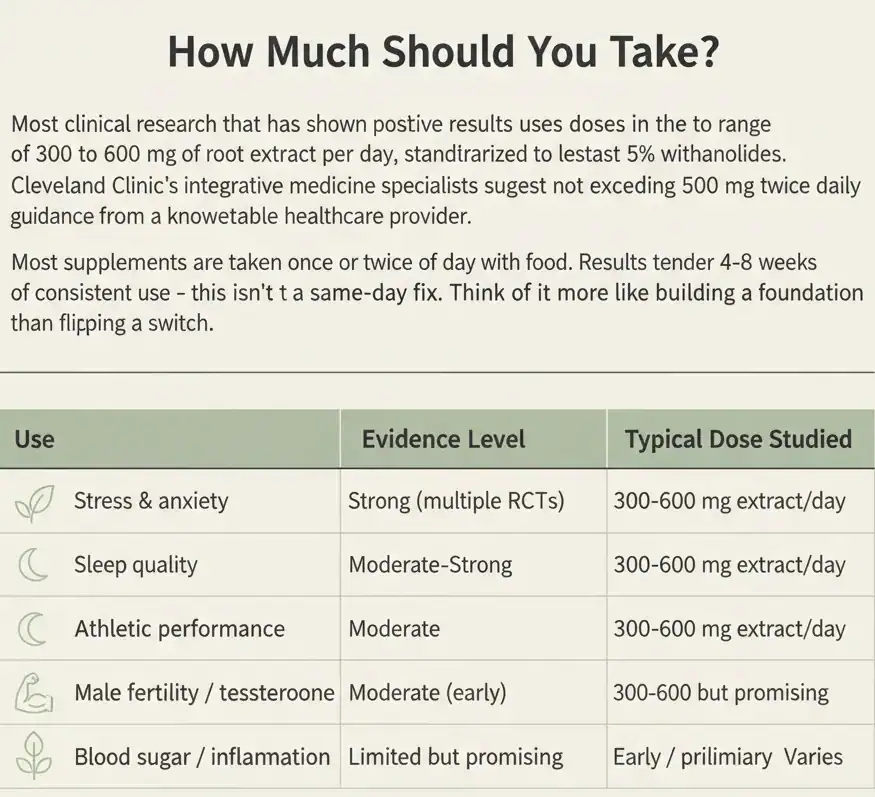
Most clinical research that has shown positive results uses doses in the range of 300 to 600 mg of root extract per day, standardized to at least 5% withanolides. Cleveland Clinic’s integrative medicine specialists suggest not exceeding 500 mg twice daily without guidance from a knowledgeable healthcare provider.
Most supplements are taken once or twice a day with food. Results tend to show up after 4–8 weeks of consistent use, this isn’t a same-day fix. Think of it more like building a foundation than flipping a switch.
Side Effects and Who Should Avoid It
The good news is that ashwagandha has a well-documented safety profile. In clinical trials, side effects tend to be minimal and mild. The most commonly reported issues are:
Drowsiness: Makes sense given its sleep-promoting effects. Take it at night if this becomes a problem for you.
Gastrointestinal discomfort” Nausea, diarrhea, or stomach upset can occur, especially on an empty stomach. Take it with food.
Liver concerns: Rare but real. There are case reports of liver injury associated with ashwagandha supplements. This is more likely with very high doses or adulterated products, which is another reason to stick with third-party tested brands.
⚠️ Who Should Skip Ashwagandha:
Pregnant women– Ashwagandha may stimulate uterine contractions. Avoid during pregnancy.
People with thyroid conditions– Ashwagandha can increase thyroid activity, which may be problematic if you have hyperthyroidism or are on thyroid medication.
People on sedatives or immunosuppressants -Potential interactions. Always check with your doctor first.
Anyone with autoimmune conditions-Because ashwagandha may stimulate immune function, it could theoretically worsen conditions like lupus, rheumatoid arthritis, or multiple sclerosis.
How to Shop for Ashwagandha (Without Getting Ripped Off)
The supplement industry is notoriously poorly regulated in the United States. That means a bottle can say “ashwagandha extract” on the label and contain very little actual standardized, active compound. Here’s how to shop smart:
Look for standardized withanolide content. The label should specify something like “standardized to 5% withanolides.” If it just says “ashwagandha powder” with no standardization info, you have no idea what you’re getting.
Check for third-party testing. Look for seals from USP (United States Pharmacopeia), NSF International, or ConsumerLab. These organizations independently verify that what’s on the label is actually in the capsule.
Familiar branded extracts are a good sign. KSM-66 and Sensoril are two well-researched, patented ashwagandha extract forms that appear frequently in clinical trials. If you see these on the label, that’s a green flag.
Skip the gimmick delivery formats. Ashwagandha gummies are fine for convenience, but they often contain lower doses and more added sugars than capsules or powders. For therapeutic doses, capsules or powder mixed into a smoothie are your most reliable bets.
You don’t need to spend a lot. A quality product with a solid dose doesn’t have to cost more than $15–$20 for a month’s supply. Fancy packaging and celebrity endorsements don’t make the withanolides work better.
Easy Ways to Add Ashwagandha to Your Routine
The most common approach is simply taking a capsule with your morning or evening meal. But if you enjoy a more hands-on approach, ashwagandha powder can be mixed into plenty of things without dramatically changing the flavor (the earthy taste is there, but it’s mild and easy to cover):
Golden milk — Warm milk (dairy or plant-based), turmeric, a pinch of black pepper, honey, and a half-teaspoon of ashwagandha powder. Cozy, anti-inflammatory, and budget-friendly.
Morning smoothie — Blend it with banana, peanut butter, oat milk, and a scoop of protein powder. You won’t taste it at all.
Overnight oats — Stir a small amount into your oat mixture before refrigerating. Easy and invisible.
Coffee or hot cocoa — Half a teaspoon stirred into either works surprisingly well. The bitterness of the coffee or cocoa masks the earthy notes of the ashwagandha completely.
Frequently Asked Questions
How long does ashwagandha take to work?
Most people start noticing effects after 4-6 weeks of consistent daily use. For sleep improvements, some people notice results a bit sooner, within 2–3 weeks. It’s not a quick fix, so stick with it and give it at least 8 weeks before deciding if it’s working for you.
Can I take ashwagandha every day?
Yes. Clinical trials have used daily dosing for periods ranging from 8 weeks to 12 months without significant safety concerns in healthy adults. Some practitioners suggest cycling off (taking a break for a week or two every couple of months) to maintain sensitivity, but this isn’t based on strong evidence, it’s more precautionary habit.
Can ashwagandha replace my anxiety or sleep medication?
No. Full stop. Ashwagandha is a supplement, not a substitute for prescribed medication. If you’re on medication for anxiety, depression, or sleep disorders, talk to your doctor before adding ashwagandha — especially since it may interact with certain drugs. It could potentially be a complementary addition to a treatment plan, but that’s a conversation to have with a professional.
Will ashwagandha make me sleepy during the day?
For most people, no, especially at standard doses. It’s more of a calm, grounded feeling than sedation. If you do notice daytime drowsiness, try shifting your dose to the evening. Some people find an evening dose actually helps them wind down for bed without grogginess the next morning.
Is ashwagandha safe for women?
Generally yes, for non-pregnant, non-breastfeeding women. Some emerging research suggests potential benefits for women’s hormonal health, though this area needs more study. Pregnant women should avoid it entirely. If you have a hormone-sensitive condition or are on related medications, check with your doctor.
What’s the cheapest way to buy ashwagandha?
Buying the powder in bulk is generally the most cost-effective option, you can often get a month’s worth for well under $10. If you prefer capsules for convenience, store-brand versions from major retailers that carry a third-party tested seal offer solid value. Skip the fancy “wellness brand” packaging; it’s the same herb.
The BudgetBite Bottom Line
Ashwagandha is one of the more legit supplements out there. Thousands of years of traditional use plus a growing stack of modern clinical trials is a combination you don’t see very often in the supplement world. For stress, sleep, and general resilience, especially if life has you perpetually running hot, there’s a reasonable case to try it.
The caveats are real: most studies are still relatively small, results vary person-to-person, and it’s not a magic bullet. But at $10–$20 a month for a properly standardized product, the risk-to-reward ratio is pretty favorable. Just buy a quality product with third-party testing, give it 6–8 weeks, and don’t expect overnight miracles.
And for the love of all things budget-friendly, please don’t buy the $60 “biohacker edition” with a fancy label. The roots don’t know what the packaging looks like.