
Apples! These shiny, enticing fruits are more than just a staple in our kitchens. They’re actually quite fascinating. Grown in orchards around the world, apples thrive in temperate climates. They start as beautiful blossoms, transforming into crisp, juicy delights come fall. Whether you prefer your apples red, yellow, or green, there’s a variety out there to tantalize your taste buds.
With over 7,500 types of apples globally, each comes packed with its own unique flavor and texture. From the tart bite of a Granny Smith to the sweet crunch of a Honeycrisp, there’s no shortage of choices when it comes to this iconic fruit. Not only do they vary in taste and appearance, but their uses extend far beyond being a snack. Think about all those pies, ciders, and sauces crafted from different apple varieties!
Historically, apples have held a special place in human diets. They’ve been cultivated for thousands of years, from the ancient orchards of Kazakhstan—where they are believed to have originated—to the bountiful fields of modern-day America. Apples are not just food; they’re part of cultural tales and even scientific studies, not to mention that iconic “apple a day” adage that’s been passed through generations.
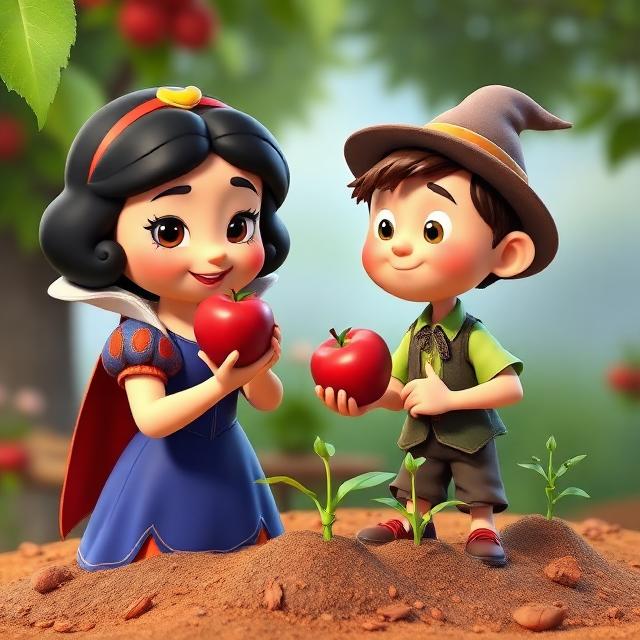
These charming fruits are steeped in symbolism, featuring prominently in folklore and myths. Remember the tale of Snow White and that infamous poisoned apple? Or the stories of apples triggering big events, like the fall of man and the Trojan War? Apples have been linked not just to health and prosperity but to wild imaginative tales, making them as intriguing as they are delicious.
Apple Seeds: The Hidden Danger?
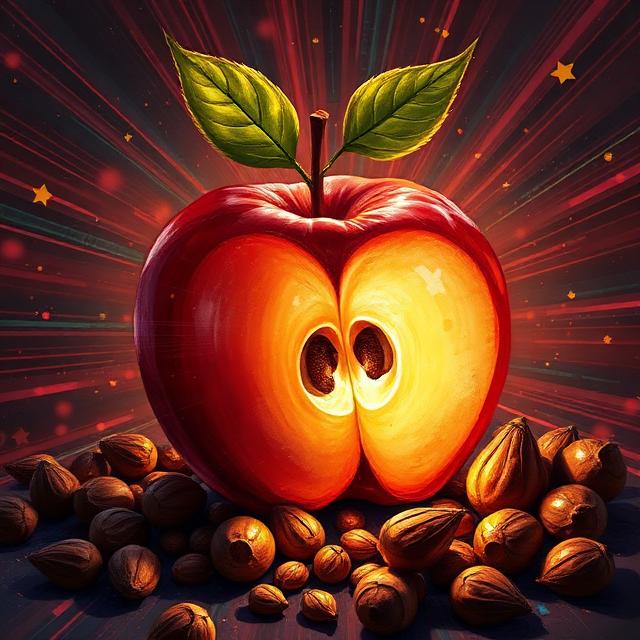
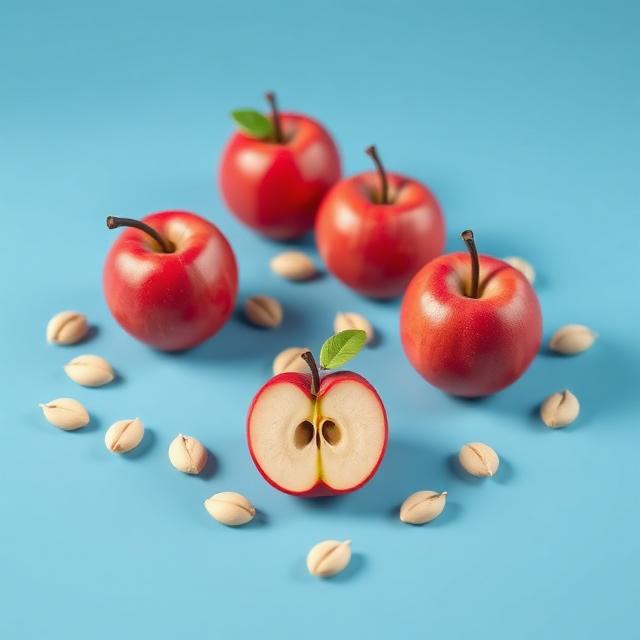
Let’s talk about the seeds we usually spit out after enjoying a juicy apple. Ever heard whispers about them being dangerous? Let’s unpack this. Apple seeds aren’t something you’d pop like candy. They contain amygdalin, a compound that, when chewed and digested, can release cyanide. Yes, the same cyanide that’s a poisonous material!
Despite this, don’t panic. In reality, you’d have to chew a significant number of seeds to face any real risk. That’s a whole lot of apples—not quite something you’d casually do. Our body’s detoxification systems are pretty good at handling small amounts, so an accidental seed or two isn’t likely to send you to the ER.
Scientifically speaking, you’ve got to crush enough seeds to really affect you, and most of us aren’t chomping seeds like they’re sunflower snacks. Plus, they’re naturally encased to resist casual digestion. So, while the potential exists, it’s not something the average apple-consuming person needs to lose sleep over.
Clearing up misconceptions can be tough, as old wives’ tales often carry a lot of weight. Many folks get confused, thinking that eating an apple—seeds included—could lead to poison control on speed dial. It’s simply not the case. However, these discussions do highlight the importance of understanding what’s in our food, even something as beloved as the apple.
Apple Seeds and Urban Legends
The myth about apple seeds growing into a tree inside you is one story that just keeps going. A lot of us heard this as kids from friends or even cheeky adults aiming for a laugh. But where did this fruity fable come from? It’s like one of those tall tales that gets better each time it’s passed along, except there’s no truth behind it—thankfully!
Back in the day, stories were a way to warn kids about certain dangers—sometimes real, often exaggerated. The idea of an apple tree sprouting in your belly is a fun way to stop kids from swallowing seeds, but no worries, it’s just as real as Santa’s little elves. The closest you’ll get to any growth from a seed would be in your garden, not your stomach.
So why do these stories stick around? It could be the pure magic of the idea or just how some myths never entirely disappear. It plays into our curiosity about the unknown and the fantastical things we wish were true. Some legends are just harder to uproot than the fictional apple trees they describe.
In truth, seeds require the right soil, light, and temperature to grow—none of which exist in our tummies. The world of our imagination, though, well, it can bring forth the most impossible scenarios. It’s fascinating how these ideas survive the test of time, continually popping up in playgrounds and family dinners.
In any case, while the tale of the seed-tree transformation is good for a laugh, it serves as a reminder of how myths can persist. It’s important to enjoy these stories while knowing what’s real. Thus, you won’t need to worry about your post-apple snack turning into a botany lesson inside your stomach.
Balancing Health and Safety: Lessons from the Kitchen
It’s not just apples and their seeds that walk the line between healthy and harmful. Take a look at other foods we see as virtuous, like almonds or even spinach. In some circumstances and quantities, even these goodies can be too much of a good thing. Almonds, for instance, also contain amygdalin, while too much spinach can lead to oxalate issues. Food is all about balance—what we eat and how much.
Ever heard that too much of anything isn’t great? That’s definitely the rule in the kitchen. Even water, our essential life elixir, can spell trouble in excessive amounts. Moderation is key. If you’re munching on apples, there’s no need to stress about seeds unless you’re deliberately collecting them for a seed eating contest.
Keeping an eye on what and how much we eat helps us make informed food choices. If you’re snacking on a variety of fruits, nuts, and veggies, savor the healthy vibe you’re cultivating without fretting about hidden dangers. Life’s too short not to enjoy a crunchy bite or a crisp salad without worry.
Ever notice how some health warnings can lead to a lot of unnecessary food fear? It tends to overshadow how marvelous food is. Instead of fearing those little apple seeds, enjoy your fruits and veggies with confidence. Watch for any worrisome symptoms if you’re trying something new, and everything should be smooth sailing.
Remember, understanding and moderation are our best pals when it comes to food. Embrace apples in all their deliciousness without the mythology of seed dangers cramping your style. Keep enjoying the glorious variety of nature’s gift to our taste buds while staying smart about what you eat. It’s the ultimate recipe for peace of mind.
This post brought back childhood memories for me. I grew up role-playing Snow White, so the idea of a poisoned apple always stuck in my imagination.
Reading about the real science behind apple seeds was fascinating. It’s reassuring to know that while they contain amygdalin, it would take a huge amount actually to be harmful. I love how you balanced the folklore with facts; it’s a reminder that apples can be both magical in stories and nourishing in real life.
Thanks Alice! I always wondered why we were so careful not to eat an apple core, but enjoy other fruit seeds, like watermelon, and even by themselves such as pumpkin.