

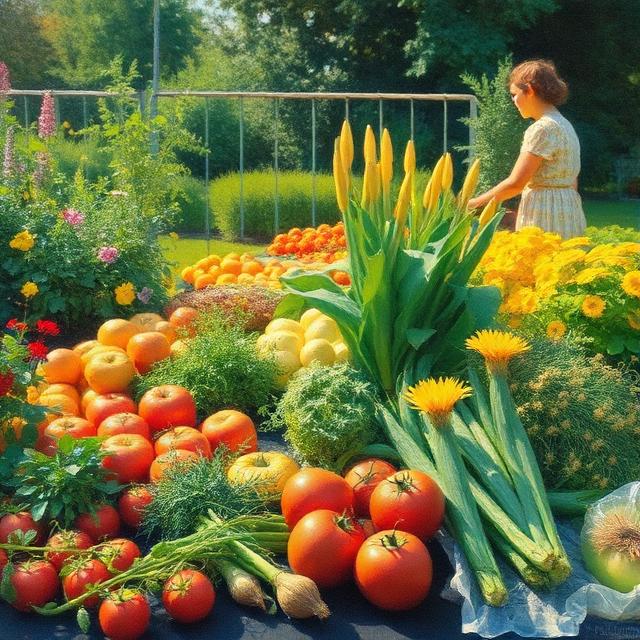

Saving money while making sure nothing in your fridge goes to waste is a win-win for both your wallet and the planet. Meal planning isn’t just a chore; it’s a savvy strategy to keep your finances in check and waste less food.
Getting started with meal planning doesn’t have to be complicated or time-consuming. With a few essentials, you can design a plan that fits your lifestyle, dietary needs, and budget. Focus on stocking up with some versatile staples like rice, pasta, and canned beans that can be stretched across multiple meals.
When setting meal planning goals, aim for something realistic. Maybe it’s packing leftovers for lunch a couple of times a week or cutting down on spontaneous grocery runs. Little changes can lead to big savings.
Ever heard about the 2 2 2 rule for food safety? It’s about storing leftovers so they stay safe to eat: within 2 hours of cooking, store them in the fridge; eat them within 2 days; and with some foods, freeze them after 2 days if you’re not ready to eat them. This keeps your meals fresh and safe while minimizing waste.
10 Practical Ways to Reduce Food Waste at Home
Expiration dates can be confusing. Many people toss food as soon as those dates hit, but knowing the difference between use-by and sell-by dates can help. Use-by is more about safety, while sell-by is about stores rotating stock.
When planning meals, choose recipes that use the whole pack of ingredients. Got half a bag of spinach left? Spin it into a pasta the next day.
Storing your food right is a game-changer. Keep herbs in a jar with water and potatoes in a dark spot to hold onto that freshness a bit longer.
Leftovers can feel like that same ol’ song and dance, but they don’t have to be. Turn last night’s veggies into a frittata or a pizza topping. The creative reuse makes dining fun.
Keep an eye on portions to prevent cooking too much in the first place. It’s less about going hungry and more avoiding scraping food into the bin.
Knowing what you already have can save tons of waste. That way you’re not buying the third bottle of ketchup you forget about, crammed in the back of the fridge.
Buying local not only boosts the community but also shortens the food chain, leading to less spoilage.
Composting is like nature’s way of recycling. All those peels and cores that you usually trash could enrich your garden.
Even food scraps can be valuable. Save them up to make hearty broths or, if you’ve got pets, safe trimmings can be used for treats.
Search online for workshops or classes on sustainable kitchen practices to keep your habits fresh and innovative. A little learning goes a long way in cutting down food waste.
Expanding Beyond: 20 Strategies for Food Waste Reduction
Tackling food waste isn’t just a home game. Donating surplus groceries to charities or local shelters makes a big impact. You’ll feel fantastic knowing that extra bag of apples is feeding someone in need.
Get involved in community sharing programs where neighbors swap supplies. It’s practical if you end up with too much pasta after another bulk purchase.
Going plant-based even a few times a week can dramatically cut down on food waste. Plants are more resource-efficient, needing less land, water, and energy.
Batch cooking can mean preparing several meals at once and storing the extras. This is time-efficient and keeps you from reaching for takeout.
Many communities have gardens and food co-ops where you can get involved. You’ll learn more about where your food comes from and help reduce waste.
Preservation is key if you want to extend the shelf life of foods. Try pickling those cucumbers or turning fruit into jam to avoid the trash.
Smart grocery shopping means sticking to a list based on your meal plan. Avoid last-minute temptations that often end up in the bin.
Apps for inventory tracking are handy. They send reminders about what’s about to expire so you can plan meals around those items.
Share what you’re doing with friends and family to help everyone reduce their footprint. Sometimes a quick tip or recipe swap can make a difference.
Businesses that reduce waste from farm to fork deserve our support. Encourage local restaurants to adopt better waste practices and share your thoughts with them.
Join online forums to stay tuned into new tips and supporting each other’s efforts in reducing waste.
Choosing ‘ugly’ produce helps retailers reduce waste at the source. These perfectly tasty items often go unsold due to aesthetic standards.
Government policies on food waste continue to evolve. Stay informed and involved to back initiatives that prioritize sustainability.
Meal kits offer measured ingredients. There’s less chance of waste and you’re not left wrestling with bulk bags of ingredients forever.
As you get into a groove with meal planning, remember to tweak as you go. What worked when you started might need adjustments as the seasons change.
Attending zero-waste events can open your eyes to broader issues and connect you with like-minded folks eager to make a change.
Restaurants are starting to reduce waste, offering smaller portions or flexible combos. Support spots adopting eco-friendly practices.
Pay attention to non-food waste like plastics, which contribute to environmental stress. Consider reusables wherever possible.
Zero-waste parties are a hit with friends and family, proving that eco-friendly can be fun too. Everything from paper plates to food scraps can be handled smartly.
Incorporate these strategies gradually into your routine. Changes can be overwhelming but small shifts can have a profound impact.
The 2 2 2 Rule: Simplifying Food Storage
Ever find yourself tossing leftovers because you’re unsure how long they’ve been in the fridge? The 2 2 2 rule is here to rescue your meals from the trash. Here’s how it works: get any cooked food into the fridge within 2 hours, eat it within 2 days, or if not, freeze it by that point. This isn’t just about maintaining your food’s taste but also about keeping it safe for your next meal.
Think of the 2 2 2 rule like a game plan for your fridge. As soon as dinner wraps up, act fast with your storage to keep everything fresh. Grab airtight containers and label them with dates. You’ll thank me when you’re reheating in a hurry and don’t need to use guesswork to decide if your food’s still good.
Not only does this rule prevent food from going bad, but it also reduces waste by encouraging timely consumption or freezing. Cooking in bigger batches suddenly seems like a great idea when this rule eliminates the fear of overlooked leftovers. Just stick to the timeline, and you’ll make the most of your meal preps without wondering if it’s safe.
Infographics or simple charts on your fridge door can be a quick reminder. A quick glance can help you manage what needs eating and what needs freezing. This is perfect for getting everyone in the house on the same page, so there’s no more “toss it or not” debate.
Embrace the structure of the 2 2 2 rule as part of your kitchen routine. It’s a practical, no-fuss way to ensure you’re optimizing both safety and quality while reducing food waste across the board.
Innovative Ways to Tackle Overall Waste
Reducing food waste in your kitchen is just the start. Applying some of these smart strategies across your whole household can lead to an even bigger positive impact. Look around for eco-friendly products that use less packaging, like laundry detergents in cardboard boxes or shampoos in refill pouches.
Ever thought about giving zero-waste a shot in your personal care routine? Swap out disposable razors for reusable ones, or go for a bamboo toothbrush over plastic.
Recycling at home gets a lot more effective when you’re sure about what goes in which bin. Local guidelines vary, so stay updated. It’s like a treasure hunt for environmental greatness.
It sounds basic, but reusing items instead of throwing them out makes a big difference. Old clothes can become cleaning rags, and jars often make great storage containers. It’s like playing match-the-item with new purposes.
Digital tools can help you track and manage waste around the house. Apps like iRecycle or Recycle Coach offer tips and reminders to keep your eco-game on point.
Buying bulk doesn’t mean over-purchasing. It’s about reducing packaging waste and getting just enough goods that you know your household will use. Think schools of pasta, not fleets.
Clothing and fashion are ripe territory for making a dent in waste. Learning basic clothing repair can extend the life of your wardrobe, plus it’s a handy skill to show off.
Next time your blender gives out, consider repair over complete replacement. There’s a fix-it group for almost everything, and DIY tutorials can guide you through. Skip the trash and extend your appliances’ life.
Waste isn’t just a home affair. Getting involved with community clean-ups or online advocacy groups can amplify your impact beyond personal efforts and connect you with other eco-minded folks.
Lastly, spread that eco-wisdom. Host teaching sessions over coffee or bring tips to meetups. The more people taking part, the bigger the shift toward reducing waste as a lifestyle choice.