The start of February brings along with it some of the most refreshing and invigorating fruit options of the year. With winter still in full swing, this month is all about enjoying seasonal produce that not only tastes good but also adds a healthy boost to everyday routines. I always find that knowing which fruits are peaking in February helps me make better choices at the store, and picking fruit that is both fresh and local keeps meals interesting while supporting local growers. So, I’m sharing what’s in season, how I choose the best fruit, where I like to shop for it, and a few tips to make the most of February’s bounty.
What Fruits Are in Season in February?
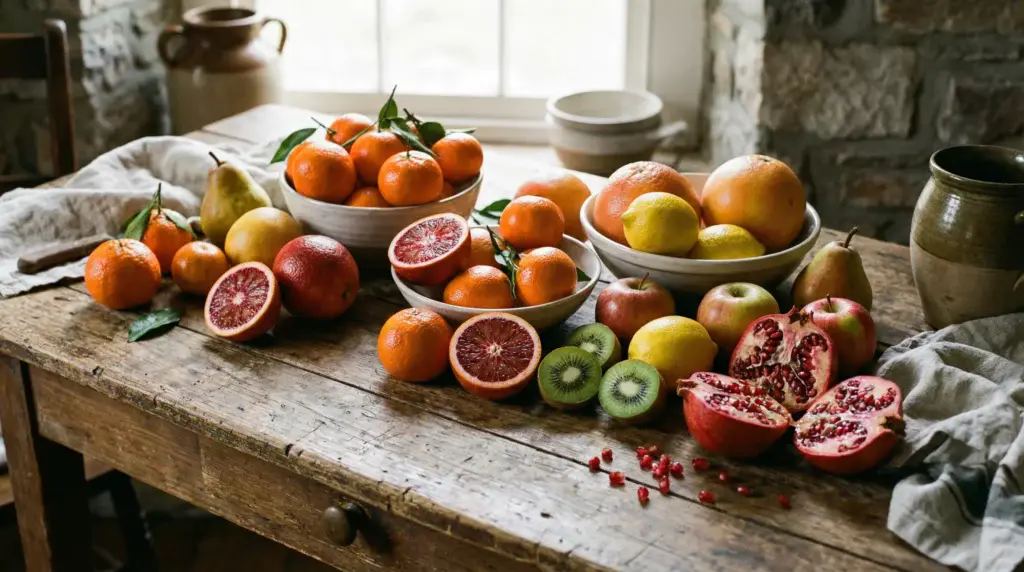
Buying fruit in season often leads to better quality and better flavor. February’s fruit selection blends together juicy winter options and the first hints of spring. Citrus is the star of the month, but there are other varieties that deserve a look as well.
- Oranges: Navels and blood oranges are at their sweetest during February. The flavor is at its peak, and the texture is ideal for both eating out of hand and juicing.
- Grapefruit: February is my favorite time for ruby red and white grapefruit because they’re especially juicy and a little less tangy.
- Lemons & Limes: Meyer lemons, with their milder taste and thin skin, are a big February favorite. Regular lemons and limes are also super fresh this month.
- Mandarins: Varieties like Satsuma, Clementine, and Tango earlier in the month are perfect for snacking. They’re easy to peel and just the right size to toss into a lunch bag.
- Pears: Bosc and Anjou pears linger into February with delicate sweetness. Their texture holds up in both raw salads and baking recipes.
- Kiwifruit: Kiwi still stays sweet and bright in winter. I like to slice one open and eat it just with a spoon as an afternoon snack.
- Apples: While their harvest season is fall, certain apples like Fuji and Pink Lady are stored with care, and by February still taste crisp and juicy.
- Pomegranate: Pomegranates wind down by late February. If I spot one that feels heavy for its size, I know it will be packed with juice.
How Do I Pick the Best Fruit?
Selecting quality fruit makes a real difference in taste and how long it will last on the counter or in the fridge. I tend to trust my senses when choosing fruit. Here’s how I usually do it for each popular February fruit:
- Oranges and Grapefruits: I look for fruit that feels heavy for its size, which is a good sign it’s full of juice. The skin should be bright and slightly glossy with no squishy spots or mold on the end.
- Lemons & Limes: Smooth, thin skin is key. A firm lemon or lime will usually be juicy. Dull skin can signal an older fruit that’s begun to dry out on the inside.
- Mandarins: A little softness is fine, but the skin should cling to the fruit. Too much looseness, or shriveling, often means it has dried out or lost sweetness. Fresh mandarins will usually have a deep orange color and a zesty scent when scratched lightly.
- Pears: Pears ripen from the inside out. If I gently press near the stem and it gives just a little, the pear is ready to eat. Hard pears can ripen at room temperature over a few days. Ripe pears will also give off a mild yet noticeable sweet aroma.
- Kiwifruit: Gentle pressure should yield a slight softness. If too hard, I leave it on the counter for a day or two at home. If it’s very soft or wrinkled, it may be past its prime. Always look for a kiwi with fuzzy, undamaged skin before buying.
- Apples: They should feel very firm to the touch. Shiny, blemish-free skin usually means the apple is still good. Any browning, softness, or wrinkles at the stem means the apple is older.
- Pomegranate: I pick pomegranates that are heavy and have smooth skin. Cracks in the skin are fine, but avoid those with deep splits or leaks. The heavier the pomegranate, the juicier it will be.
Where I Buy Premium Fruit in February
There are a lot of options for finding great fruit during February. I’ve learned that not all stores or markets handle their fruit with the same care, so I pay attention to where I shop. Here’s what works best for me:
- Local Farmers’ Markets: When a weekend market is open, I usually find the freshest fruit there. Farmers can answer questions about when the produce was picked, which helps me know it’s at its best. Sometimes you might stumble upon unique local varieties, especially late in the winter, giving you something different to try.
- Natural Food Stores: Many natural grocers stock regional and organic fruit that hasn’t traveled far. I find citrus and pears here that are firm, fresh, and have plenty of flavor, plus the staff often know a lot about their seasonal products.
- Major Supermarkets: I sometimes shop at bigger grocery stores that clearly label when fruit is in season. I double check fruit for blemishes or signs of being on the shelf too long, but supermarkets can have good weekly deals on prime citrus. The wider selection is also handy if I’m shopping for a big/picky family or planning ahead.
- Online Produce Delivery: Services now deliver directly from farms to my front door. This can be convenient for hard to find citrus varieties or organiconly picks. I always check customer reviews before trying a new delivery service. Some online services let customers request specialty fruit boxes tailored for February, which makes it easier to track down rare finds.
How to Store February Fruit to Keep It Fresh
Storing fruit right keeps it tasting fresh and often helps me save money by reducing waste. Here are the habits I follow for key February fruits:
- Citrus: Most oranges, lemons, limes, and grapefruits do well at room temperature for about a week. For longer storage, I keep them in the fridge produce drawer, separated from vegetables. Meyer lemons are more delicate, so I always refrigerate them. If you have too many, try juicing a few and freezing the juice in ice cube trays.
- Pears and Apples: I store apples in the fridge to keep them crisp as long as possible. Pears ripen best on the counter, and once they’re soft enough, I move them to the fridge to slow down spoilage. Wrapping each apple in a paper towel helps prevent bruising when stored in the fridge.
- Kiwifruit: Hard kiwifruit ripens at room temperature. Once they feel soft, I pop them in the fridge so they last another week or so. Avoid keeping kiwifruit next to apples or bananas for too long, as the ethylene gas from those fruits speeds up ripening.
- Pomegranate: Pomegranates keep for up to a month in the fridge. After opening, I store the seeds in a sealed container for easy snacking or salad toppings. If you have leftover seeds, sprinkle them on ice cream or blend into smoothies for a burst of color and flavor.
New and Interesting Ways to Use February Fruit
Seasonal fruit isn’t just for snacking. February’s fruit is bright, juicy, and inspires all sorts of kitchen ideas. Here’s how I use what I buy:
- Fresh Citrus Salads: Sliced blood oranges, grapefruits, or mandarins tossed with thinly sliced fennel and a pinch of sea salt make a quick, colorful salad. You can also add a drizzle of olive oil and a sprinkle of chopped mint for extra pop.
- Fruit Compote: Simmering pears, apples, and a squeeze of lemon creates a warm compote to top oatmeal or yogurt. Sometimes, I stir in cinnamon or a few dried cranberries for thickness and a bit of zing.
- Homemade Citrus Water: Slices of lemon, lime, or orange brighten up a regular glass of water and encourage me to stay hydrated. Add a few sprigs of fresh herbs like rosemary or basil for nextlevel cool.
- Kiwi and Pomegranate Parfait: Layering pomegranate seeds and kiwi with yogurt and granola makes an easy and eyecatching treat. If I have extra fruit, I top the parfait with crushed pistachios or sunflower seeds for a little crunch.
- Warm Fruit Toast: Top a slice of hearty bread with ricotta or cream cheese, then add thinly sliced pears or apples, finishing it off with a drizzle of honey and a dusting of chopped hazelnuts. This makes a filling breakfast or light dessert.
More About February Fruit Selection and Storage
How do I know if citrus fruit is fresh?
Fresh citrus will feel heavy and solid. Dull or dry skin is a sign it’s been stored too long. A strong citrus scent when you scratch the peel also tells you it’s in good shape.
What’s the best way to ripen pears at home?
Just leave hard pears on the kitchen counter. Placing them in a paper bag with a banana or apple speeds up ripening. Check their softness daily to catch the perfect moment for eating.
Where can I find unique citrus like blood oranges?
Look for them at farmers’ markets, natural grocers, and some supermarkets that highlight specialty varieties during February. Online produce delivery can also be a good source for rare fruit in season, and some services offer boxes of mixed exotic citrus just for winter.
Should I wash fruit before storing?
I wait to wash fruit until I’m ready to eat it, since extra moisture can cause earlier spoilage in storage. If I do need to rinse it first, I make sure it’s completely dry before popping it in the fridge.
Bringing Seasonal Fruit Into Everyday Life
February brings some of the brightest fruit flavors of the year, making it a great time to shake up old routines. Whether I’m after citrus, pears, or kiwifruit, buying in season helps me enjoy the best taste and support local producers. Picking the best quality is about trusting what I see and feel, and a bit of extra care when storing keeps those flavors lasting longer. There’s always something new to try, and even in the heart of winter, fresh fruit can brighten almost any meal. With a little curiosity and mindful shopping, February’s fruit can make winter eating tastier and more colorful every single day
https://www.wealthyaffiliate.com?a_aid=10cfa4e4

Proudly powered by WordPress