
GLP-1 medications have recently become a popular topic and has changed the approach of the treatment of type 2 diabetes and obesity for people worldwide. GLP-1 stands for glucagonlike peptide-1. This hormone’s natural job is to help control blood sugar, appetite, and insulin use in the body. In recent years, medications that mimic GLP-1 or help increase its activity have become widely used for managing certain health conditions. I’ll break down the science behind GLP-1, its medical uses, who found it, and what it’s like to be on these medications today. If you’re wondering whether GLP-1 medications could make a difference for you or someone you know, check out what sets these drugs apart from more traditional diabetes and weight management therapies.
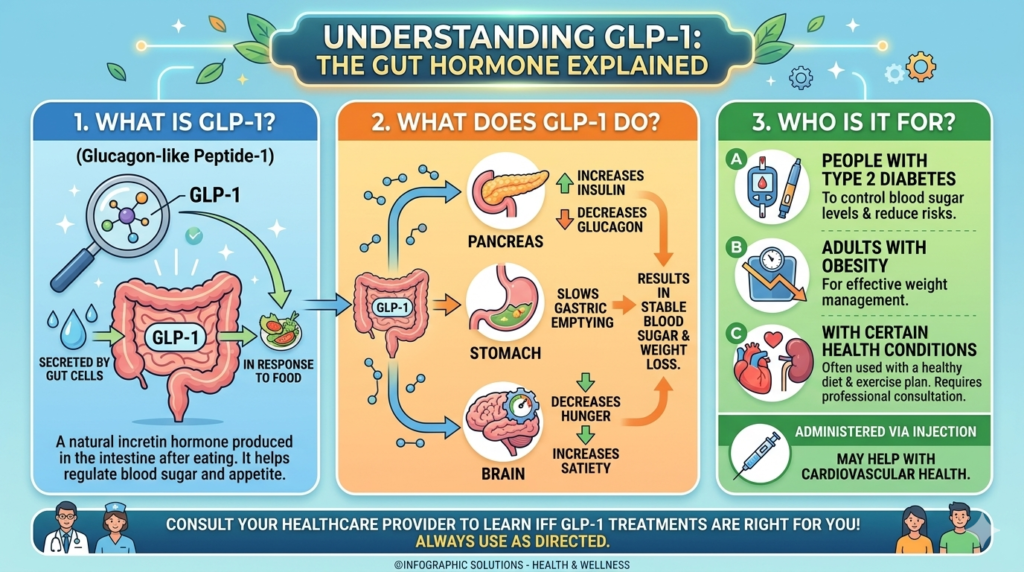
Understanding GLP-1: What It Is and How It Works in the Body
GLP-1 is a hormone that is naturally produced in the small intestine when you eat. It helps tell your pancreas to release insulin, which brings down blood sugar. It also signals your stomach to slow down, so you feel fuller longer and don’t become hungry as quickly after eating. This combination makes GLP-1 really important for controlling blood sugar and managing hunger.
In biology and pharmacology, GLP-1 medications are named after “GLP-1 receptor agonists.” This sounds technical, but all it means is that these medications act like the body’s natural GLP-1. They stick to the same receptors in your body and produce very similar effects, helping your body control blood sugar and suppress appetite. Since their introduction, these drugs have helped people feel empowered to get back on track with their health goals. GLP-1 agonists.
Several different GLP-1 drugs are available, including semaglutide (Ozempic, Wegovy), liraglutide (Victoza, Saxenda), dulaglutide (Trulicity), and exenatide (Bydureon, Byetta). Most of these drugs are injections, typically done once a week or once daily, depending on the specific medication and dose, and can be self-administered. Some, such as oral semaglutide (Rybelsus), are available in pill form and taken daily. Though injectable medications may sound intimidating and scary, the experience is usually straightforward and easy to manage for most people. Key facts.
- Key Features of GLP-1 Medications: Reduce blood sugar by increasing insulin, decrease appetite, slow stomach emptying, and sometimes help with weight loss.
- Common Uses: Type 2 diabetes, obesity, sometimes heart health.
- Types of GLP-1 Medications: Weekly injectables (Ozempic, Trulicity), daily injectables (Victoza, Byetta), and daily oral tablets (Rybelsus).
The Discovery and Development of GLP-1-Based Treatments
GLP-1 was first found in the 1980s by researchers studying how the gut signals to the pancreas to release insulin after eating. Danish scientist Jens Juul Holst is often credited as one of the early researchers who clarified the role GLP-1 plays in insulin management. Since then, teams around the world have tried to build on his findings, working together to turn this scientific insight into practical medicines that change lives.
The medications themselves are synthetic versions of the hormone or slightly modified to last longer in the body. Many GLP-1 drugs are made using biotechnology where bacteria or yeast are engineered to produce the medication. After purification, they provide an injectable or oral form that works in humans usually with longer lasting effects than the natural hormone. This process has brought a new era in diabetes care, giving people options that feel more natural and fit better with their daily lives.
The ingredient lists depend on the specific drug, but the main feature is the part that acts like GLP-1. Extra substances may be included in each formulation to keep the drug stable or help it get absorbed into the body effectively. Pharmaceutical companies continue to test different mixtures and delivery systems to offer patients better choices and maximize the benefits of these therapies.
When it comes to how often you take these drugs, it’s different for each medication, but most are used either once daily or once a week. Your healthcare provider chooses a schedule based on your health needs and which drug works best for you. In some cases, people may start with daily doses before moving to a weekly routine if appropriate.
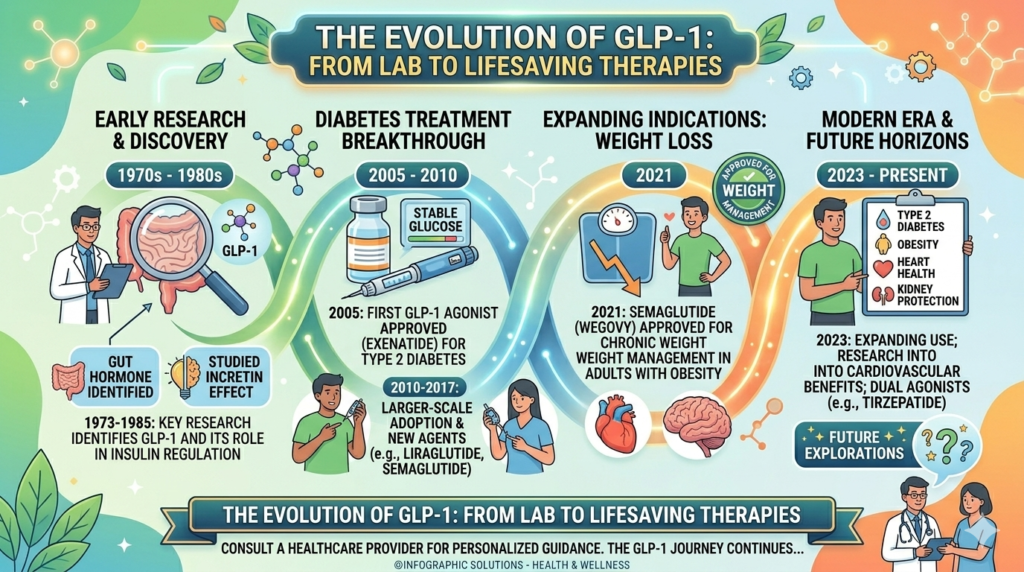
Initial Purpose and How GLP-1 Medications Became Popular
GLP-1 medications were first developed to help control blood sugar in adults with type 2 diabetes. Early studies showed that higher GLP-1 levels helped the body make more insulin only when needed and avoided dangerous drops in blood sugar (hypoglycemia). This made GLP-1 drugs a safer alternative for many people who used to rely on other diabetes medications with more side effects. Patients and doctors alike were excited and encouraged to find a medicine that could work with the body rather than against it.
Researchers quickly noticed that many patients on GLP-1 drugs started to lose weight, sometimes quite a bit. This happened because GLP-1 slows the emptying of the stomach and reduces appetite. As more was learned about these side effects, some GLP-1 drugs like Saxenda and Wegovy were developed specifically to help people manage obesity, even if they did not have diabetes. The fact that one medication could take care of both high blood sugar and body weight issues helped spark major interest in this class of drugs.
Within only a few years, what started as a targeted treatment for type 2 diabetes grew fast to become a trending option in the broader landscape of obesity care. With more awareness, patients and providers started to see these drugs as more than just a tool for diabetes but as one part of an all-in-one approach to metabolic health.
Modern Uses, Health Benefits, Pricing, and Insurance Coverage
GLP-1 medications are prescribed most often for type 2 diabetes and managing obesity, especially for people who are struggling with traditional approaches. These drugs help lower blood sugar, reduce body weight, and may even lower the risk of major heart problems for people with diabetes or heart disease. They are increasingly being studied for other uses as well, reflecting their growing reputation as a valuable option in chronic disease care.
- Type 2 Diabetes Control: By boosting natural insulin and managing appetite, these drugs can help many people reach blood sugar targets.
- Weight Loss: Most people taking GLP-1 drugs find they feel fuller longer and eat less overall, which often leads to steady weight loss over time. For patients with a history of yo-yo dieting, the appetite reduction effect can be a welcome change that makes sticking with healthy habits much easier.
- Heart Health: Some GLP-1 medications (such as liraglutide and semaglutide) have been shown to reduce the risk of heart attack and stroke in certain patients, a bonus that has given doctors new confidence in offering these treatments to higher-risk individuals.
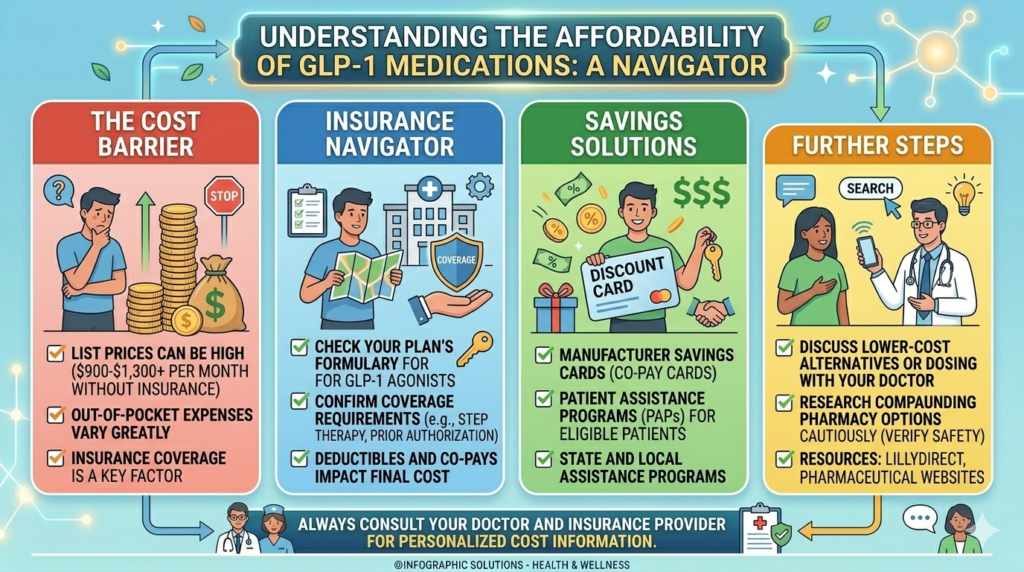
The cost of GLP-1 medications varies a lot. Without insurance, the monthly price can range from a few hundred to over a thousand dollars depending on the drug and dose. Insurance can sometimes cover part or all of the cost, particularly if prescribed for diabetes rather than for weight management alone. Some manufacturers also offer discount programs, so ask your provider or pharmacist to help you track down savings options that might be available. Careful research helps buyers make smart decisions about what’s affordable for them and where they might get a boost in covering medication costs.
Many patients find the investment is worthwhile not just because of the improvements in blood sugar or weight, but also because feeling healthier increases confidence and leads to more motivation for making other lifestyle changes. If you’re interested in GLP-1 medications, keep in mind that ongoing dialogue with your healthcare team is crucial for making adjustments as your needs change.
Side Effects, Contraindications, and Ongoing Research
Most people tolerate GLP-1 medications well, but there are side effects you might need to watch for. Common side effects include nausea, vomiting, diarrhea, or occasional constipation. Some people notice reduced appetite and may have trouble keeping up calorie intake, especially at first. If you start experiencing symptoms that are hard to manage, talk with your doctor—they can help with tips to ease up these uncomfortable feelings or adjust your dose as needed.
- Who Should Avoid GLP-1 Drugs? These medications are usually not recommended for people with a history of certain thyroid cancers or severe gastrointestinal diseases. You should check in with your doctor if you have a history of pancreatitis or multiple endocrine neoplasia syndrome type 2.
- Potential Negative Effects: The most common issues are digestive. More rare but serious side effects include pancreatitis or allergic reaction, so staying sharp about any alarming symptoms is important.
- Drug Interactions: Some drugs, especially other diabetes medications or those that slow down your stomach, might interact with GLP-1 drugs. Your pharmacist can check your medication list for potential problems, so always communicate changes to your care team.
Researchers continue to study the long-term safety and benefits of GLP-1 medications. Early results suggest possible perks for heart and kidney health, but questions remain about rare side effects and how safe it is to use these drugs for many years in a row. Usually, ongoing monitoring with regular blood tests is recommended. The goal is to catch issues early and help patients feel secure while making the most of their treatment options.
Studies are also underway to see if GLP-1 medications might help other groups, such as people with prediabetes or those with certain cardiovascular risks but not diabetes or obesity. As new data comes out, guidelines may continue to change, so keeping an eye out for fresh updates will help everyone stay in the know.
Possible adverse and side effects.
The Role of Lifestyle—Why GLP-1 Works Best With Diet and Exercise
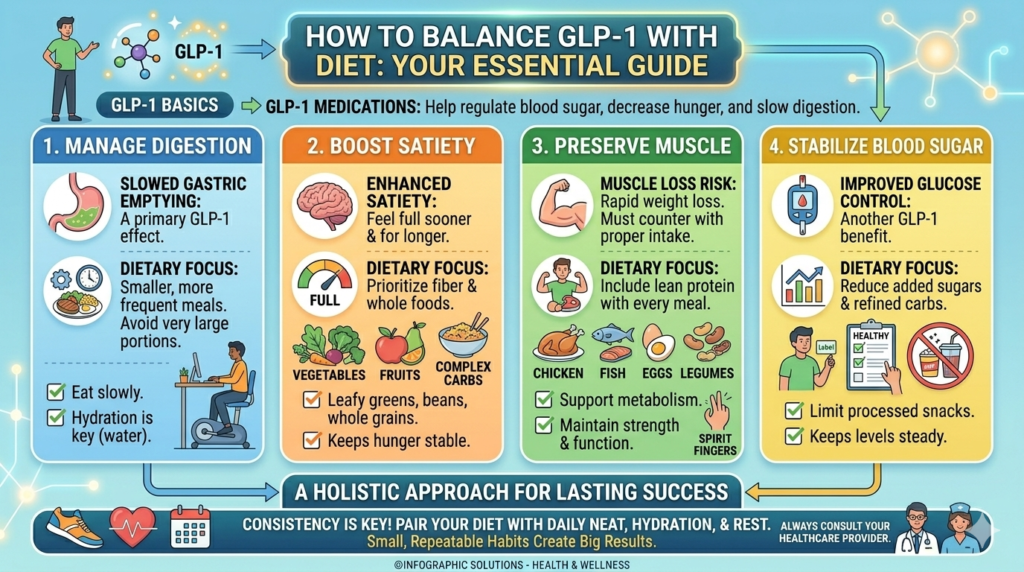
GLP-1 medications can be very helpful for people with type 2 diabetes or obesity, but it’s always best to understand that drugs work even better when combined with other healthy habits. Eating a balanced diet and moving your body regularly help the medication do its job. When you stick to good nutrition and exercise routines, the benefits of GLP-1 become more obvious, and you’re less likely to rely on medication alone.
GLP-1 medications are not a replacement for lifestyle changes, and they’re not meant for everyone. They should be seen as part of an overall plan that may include meal planning, regular physical activity, tracking blood sugar, and frequent check-ins with your healthcare provider. In my experience, people see the best results when they look at these medications as one part of a long-term effort to manage their health, not as a quick fix.
Bottom line: GLP-1 medications have set free a new way for patients and providers to manage diabetes, obesity, and even some heart problems. These drugs offer real hope, especially when combined with healthy habits and close care from a medical team. If you think GLP-1 therapies could be useful for you or someone you care about, ask your doctor to help you weigh the upsides and downsides based on your unique health picture. New research is coming out all the time so stay tuned—it could help guide your next big steps in health management.

I found your article on GLP‑1 really clear and informative, especially the way it breaks down how these medications work in the body and their origins. I appreciate that it covers both the science and practical aspects like different forms of GLP‑1 drugs and how they’re administered, and it doesn’t shy away from discussing side effects and the importance of working with a healthcare provider. It made me think about how often people focus just on weight loss headlines without understanding the hormonal and metabolic effects. After reading, I’m curious: what do you think are the most important lifestyle habits someone should focus on alongside GLP‑1 therapy to make the most of the benefits?
Thanks Hanna! GLP-1 is everywhere nowadays, a family member just told me they had been taking it, and I was really curious to find out more. I think with anything if used appropriately it is very beneficial, and applied to an overall general healthy lifestyle it is obviously effective. The diet is always most important, need to make sure the body is getting not only the right amount, but right type of calorie and keeping the body moving.