
Eating healthy often comes with a misconception that you need to spend a lot of money. Many folks see those glossy supermarket aisles stocked with organic produce with price tags that make you wince. It’s crucial to reassess these perceptions. In truth, nutritious eating doesn’t require a fortune. It’s more about substituting the myth of expensive health foods with accessible, affordable options.
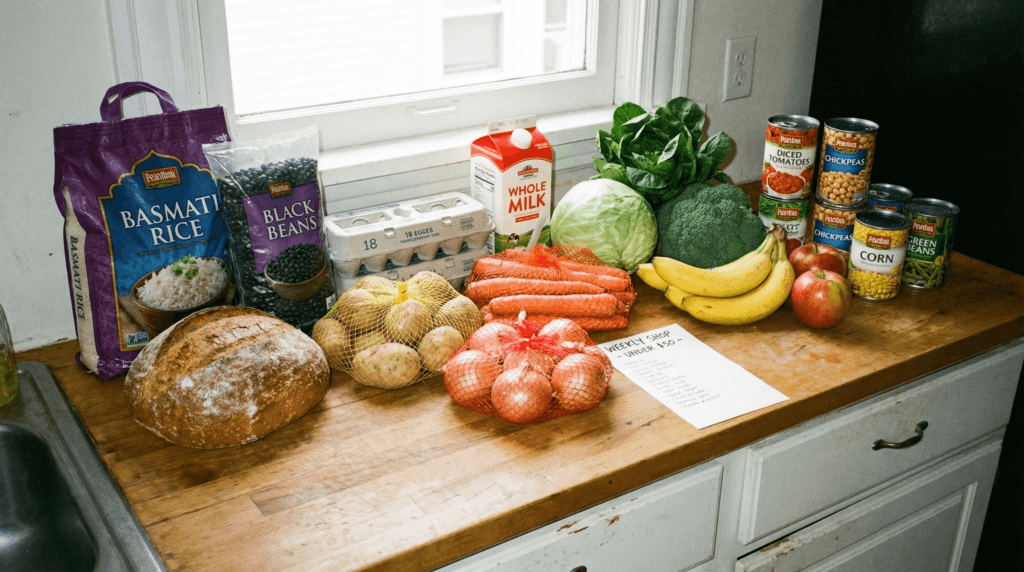
Living on a budget doesn’t mean your diet has to suffer. Let go of the notion that budget meals equal unhealthy ones. The secret lies in being savvy with your choices. Prioritizing whole foods over processed ones often reduces costs while improving your health. Consider focusing on items like beans, lentils, and rice. They’re nutrient-dense and wallet-friendly!
Psychological barriers often hold us back from eating healthy. Maybe it’s the belief that eating well means buying premium or niche products. Breaking through this requires a mindset shift towards valuing nutrition over brand names or fancy labels. Seeking education about budget-friendly nutritious options can be transformative.
Setting realistic expectations is vital. Understanding the true cost of good nutrition involves seeing beyond the immediate price tag. Whole grains and fresh vegetables might seem pricier at first glance compared to fast food, but their long-term benefits are significant. Healthier options contribute to overall well-being, often reducing healthcare costs in the long run.
Strategic Grocery Shopping: Navigating Your Way to Savings
Meal planning is your first big step in taking control of grocery expenses. Forget aimlessly wandering the grocery aisles; having a plan can make a monumental difference. When you know what you need, you’re less likely to make impulse buys or stock up on unnecessary items. Developing a weekly menu helps you focus on essential ingredients, making shopping trips efficient and economical.
Buying in bulk isn’t just for large families or organizations. Individually, it can offer significant savings, especially for staples like grains, pasta, and frozen veggies. Sure, the initial cost might seem higher, but calculating the cost per unit often reveals how much you actually save. Consider sharing bulk purchases with a friend or family member if storage space is an issue.
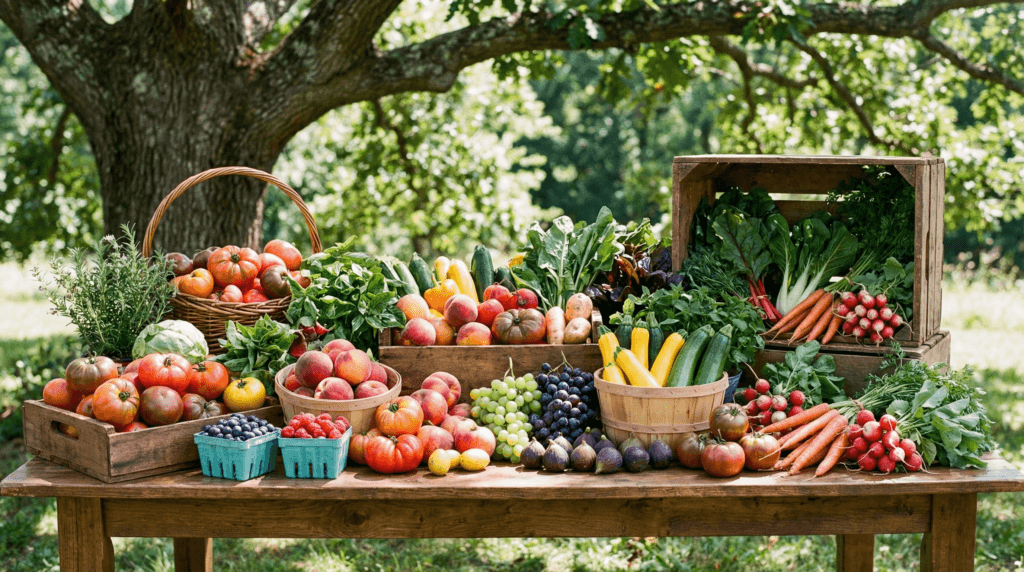
Exploring local and seasonal markets often unearths budget-friendly treasures. Farmers’ markets, for example, usually offer competitively priced produce. Plus, produce in season is frequently cheaper and, bonus, tastier. Buying locally supports your community and often means lower transportation costs for suppliers, which translates to savings for you.
Don’t underestimate the power of coupons and loyalty programs. Keep an eye out for deals online, in newspapers, or through store apps. These programs are sometimes dismissed as too much hassle, but if used smartly, they easily trim down your grocery bill. Plus, they’re a chance to try new products or brands you might not have considered otherwise.
Creative and Nutritious Cooking on a Budget
Investing some kitchen time turning budget-friendly ingredients into delightful dishes is a game-changer. Foods like beans, lentils, and seasonal veggies can be the stars of fantastic, nutritious meals. The key is knowing how to maximize nutrition from these inexpensive items. A bit of creativity goes a long way, like turning a modest zucchini into a hearty soup or stir-fry.
Batch cooking is a smart strategy for saving both time and cash. Cooking larger quantities of meals and freezing portions for later use prevents food fatigue and minimizes food spoilage. It’s comforting to know there’s always a home-cooked meal waiting for you in the freezer.
Adapting recipes to make them healthier doesn’t have to be complicated or costly. Simply swap certain ingredients for healthier alternatives. Replace sugary snacks with fruits or use whole-grain pasta instead of white. Small tweaks can significantly boost the nutritional value of your meals without breaking the bank.
Reducing food waste is another key aspect of budget-friendly cooking. Keep an eye on what you already have in the pantry or fridge before buying more. Learning how to use leftovers or underrated parts of food, like broccoli stems or chicken bones for broths, stretches your meals further and saves money.