
Just in time for St. Patty’s Day! An Irish Favorite and a great no yeast and healthier option!
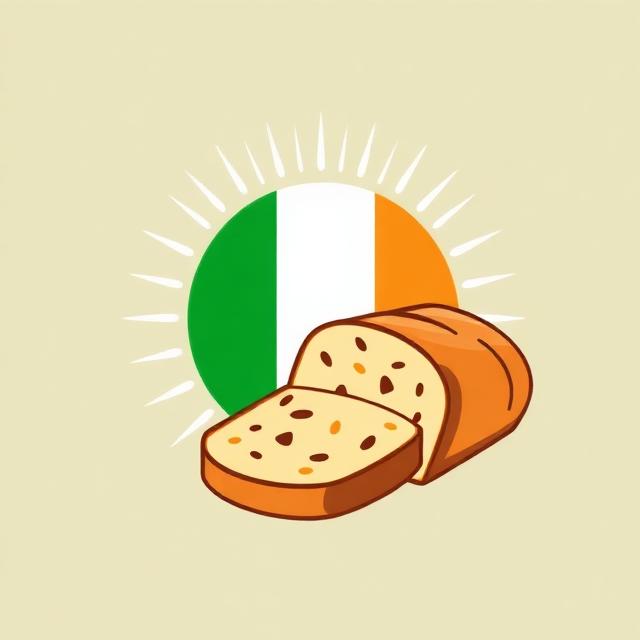
Irish soda bread, a staple in Irish households, is known for its quick preparation and unique taste. Unlike regular breads, it doesn’t rely on yeast to rise. Instead, it just needs baking soda, flour, buttermilk, and salt to create its distinctively dense yet tender crumb. This makes it super handy for anyone who’s not about that yeast life.
Making Irish soda bread is simpler than you’d think. Mix your dry ingredients, add the buttermilk, form a loaf, and pop it in the oven. No kneading or long rising times! It’s perfect if you’re short on time or patience, delivering a delicious, fuss-free bread every single time.
Wondering if it’s a better choice than yeasty breads? For those keeping an eye on their sugar intake and dodging unnecessary fats, Irish soda bread often comes out on top. Many versions are lower in sugar and typically have minimal added fats, making it a cleaner option compared to its counterparts.
It’s worth noting not every soda bread is made equal when it comes to gluten. Traditional versions do contain wheat flour, so celiacs need to look for gluten-free versions, which are totally a thing now on store shelves. However, if yeast is your nemesis, this bread’s got your back.
When we stack up the nutrition, Irish soda bread holds its ground with a high fiber content and significantly fewer preservatives than your average processed loaf. You’ll get about 44 grams of carbs and around 1-3 grams of fiber per slice, depending on the recipe, which helps keep you feeling full longer.
All in all, Irish soda bread delivers on taste and simplicity while standing out as a healthier option, especially if you pick a whole-grain version. It’s not just bread; it’s a quick-to-make, wholesome choice that fits easily into a balanced diet.
Savoring Every Bite: Culinary Pairings and Consumption
Irish soda bread has a place at any table, pairing beautifully with everyday meals as well as special occasions. Traditional accompaniments include quality Irish butter and hearty stews. Spreadable cheeses and jams also complement its slightly tangy flavor, making it a versatile companion for both savory and sweet tastes.
Breakfast time? Think of slathering thick slices with cream cheese or your favorite preserves for a quick, satisfying start to the day. Or serve it alongside scrambled eggs and smoked salmon for a hearty breakfast that will keep you going strong.
For lunch or dinner, soda bread shines with soups and stews. It holds up well when dunked into rich broth or paired with a chunky seafood chowder. Its texture is perfect for sopping up all the goodness without becoming mushy.
Trying to mix up your salad game? Use Irish soda bread as the base for a unique Panzanella-style salad. It brings a dense, satisfying crunch to layers of fresh veggies and vinaigrette. Or go the traditional route and serve it as a side to a classic Irish meal like colcannon—mashed potatoes with cabbage or kale.
With all this variety, including soda bread in a balanced diet is a breeze. Opt for toppings that enhance its flavor without overwhelming it, and pair it with nutrient-rich dishes. It’s all about enjoying your food consciously and deliciously.
Beyond the Emerald Isle: Global Footprint and Cultural Significance
Irish soda bread isn’t just a home staple—it’s a symbol of Irish heritage with deep roots in the country’s history. Born out of necessity in the 19th century, it offered an affordable way to feed families using simple, available ingredients. This humble bread has become a cultural icon, especially during festive times.
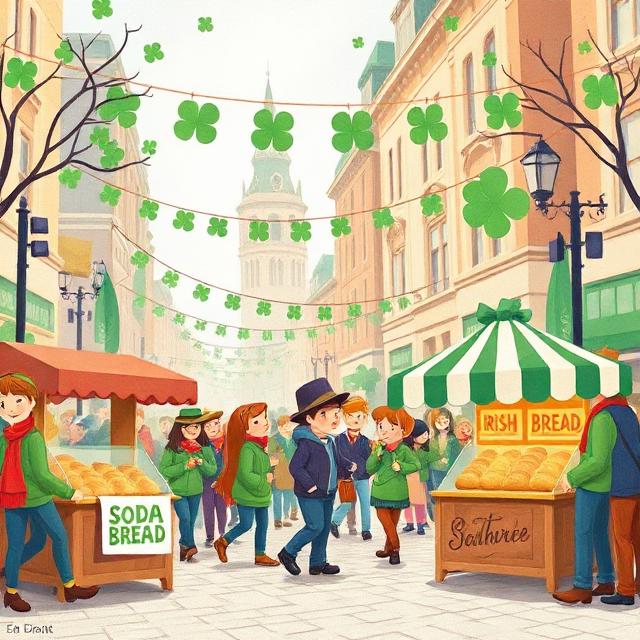
St. Patrick’s Day often brings soda bread into the spotlight as part of the holiday’s traditional menu. Its appearance during this celebration stems from its historical importance and connection to Irish culture, making it almost synonymous with the day itself.
Irish immigrants carried their beloved soda bread across oceans, spreading its popularity far beyond Ireland. Now, you can find it in bakeries and cafes around the world. It’s often a featured item in establishments celebrating Irish heritage, whether in cozy pubs or modern restaurants offering international menus.
Different regions have put their spins on soda bread, adding unique local ingredients while keeping the original spirit alive. This has led to a wonderful array of variations and flavors, each with its own story tied to the place it’s baked.
Whether you’re in a bustling city or a small town, soda bread may be closer than you think. Many grocery stores offer versions of this bread, sometimes in a seasonal capacity or connected to international sections. Online marketplaces also abound with options, making it easier than ever to enjoy a taste of Ireland wherever you are.
Ultimately, Irish soda bread’s journey from a bare necessity in rural Ireland to an international delicacy demonstrates its universal appeal. Whether you’re partaking in a cultural festivity or simply enjoying a slice with your dinner, it offers a connection—a shared humanity through food.
This brought back some memories for me. My grandmother used to make Irish soda bread when I was younger, especially around St. Patrick’s Day. I remember being surprised the first time I learned it didn’t use yeast because most breads we were used to always had that long rising process. The simplicity of soda bread is what makes it so appealing.
I’ve also found it’s one of those breads that really shines with simple pairings like butter, jam, or alongside a hearty soup or stew. There’s something about the dense texture that makes it perfect for soaking up broth.
I haven’t made it myself in a while, but reading this definitely makes me want to try baking a loaf again. Sometimes the simplest recipes with just a few ingredients end up being the most satisfying.
Thanks Jason, I was surprised as well to learn how simple it is to make and the limited ingredients. Might try and make my own now, too.
I have made this bread often, but had no idea that it was called Irish Soda Bread and even that it originated with the Irish.
I love it with a barbecue, and the only hassle I have with it is that you need to eat it the same day you make it, as the next day it is not quite as good as the freshly baked version.
Happy St Patricks Day!
Thanks Michel. My dad is from Ireland, but we still only ate it for special occasions. Didn’t ever think that it was any different from regular bread.