

The blue zone diet has caught the attention of anyone interested in health, longevity, and overall well-being. The idea behind this diet isn’t about strict rules or quick fixes. Instead, it’s about understanding how people in certain parts of the world live much longer, healthier lives, and then looking at what they eat and how they approach food. I want to share what the blue zone diet actually is, where it comes from, how it works, and how it compares to other well-known diets.
Understanding Blue Zones: Where Does the Name Come From?
The term “blue zones” refers to specific regions of the world where people have unusually long life expectancies. The idea comes from an observation made by researchers, including Dan Buettner and his team, who noticed clusters of people living vibrant lives well into their 90s and even 100s. These zones were marked with blue ink on maps, which is how they got their name.
The five most well-known blue zones are:
- Okinawa, Japan
- Sardinia, Italy
- Nicoya Peninsula, Costa Rica
- Ikaria, Greece
- Loma Linda, California (a community of Seventh-day Adventists)
In these areas, people do not just live longer than average. They tend to live free from chronic diseases that are common in other parts of the world, such as heart disease, diabetes, and certain cancers. According to several studies, including findings shared by the National Institutes of Health, life expectancy in these regions is higher than in the United States, where the national average is around 77 years. For example, people in Okinawa routinely reach age 90 and beyond, and Sardinia boasts one of the highest concentrations of male centenarians on the planet.
Researchers checked out what these blue zones share in common—and food is a key factor. Yet the overall lifestyle, including social bonds, daily movement, and a sense of purpose, matters just as much. That’s why blue zones have become such a hot topic in both scientific and pop culture circles.
Living in the Blue Zone – Harvard Health
What Is the Blue Zone Diet?
The blue zone diet isn’t a formal program or a strict meal plan. It reflects the everyday eating patterns typical of the blue zone regions. The general goal is to promote both lifespan and healthspan, which means living longer and being content and fulfilled for more years. The diet’s main intent is to support daily health and happiness, not just to lose weight.
Key elements include a high intake of vegetables, fruits, whole grains, beans, and nuts, with minimal processed foods and very little meat or sugar. People following a blue zone approach also eat moderate portions and tend to stop eating when they feel about 80% full (known as the “hara hachi bu” rule in Okinawa). The blue zone diet is really about balance, variety, and enjoying meals in good company.
Unlike fad diets, the blue zone way does not require you to count calories, weigh your food, or track your macros. It focuses on building lifelong healthy habits. You don’t feel deprived, since the meals are flavorful and satisfying. The focus on sharing food with others and enjoying your meals slowly makes it feel more like a joyful part of life than a chore.
How Does It Compare to the Mediterranean Diet?
There are a lot of similarities between the blue zone and Mediterranean diets. Both focus on abundant plant foods, olive oil, whole grains, beans, and nuts. However, the Mediterranean diet usually includes a bit more fish and seafood, and wine with meals is more traditional. In contrast, some blue zone communities, like Adventists in Loma Linda, mostly avoid alcohol and animal products.
While both approaches promote heart health and longevity, the blue zone diet often places a bigger focus on beans and legumes as primary protein sources and puts a bigger weight on social and lifestyle factors. For example, regular community meals, gardening, and a strong sense of purpose are considered just as important as the food itself in blue zones.
Another difference is that the Mediterranean diet allows a moderate amount of dairy, such as cheese and yogurt, and sometimes red wine, whereas some blue zone populations eat dairy sparingly and may avoid alcohol altogether. This distinction reflects unique cultural traditions and philosophies about food.
The Main Focus: Longevity, Happiness, and Good Nutrition
The blue zone diet centers around the idea of nourishing your body for the long haul. I see it as a lifestyle that encourages eating for energy, mood, and disease prevention, rather than trying to fit a certain body image. People in blue zones do not generally diet in a restrictive way; they prioritize enjoying meals, connecting with others, and moving naturally throughout their day. Weight loss can be a byproduct, but it’s not the main motivation.
The happy, relaxed attitude toward food also makes this way of eating easier to stick with long-term. You’re encouraged to focus on what brings you joy and helps your body feel its best; that, in turn, leads to better health outcomes. This highlights the importance of a positive relationship with food.
What Foods Should You Eat (and Avoid) on the Blue Zone Diet?
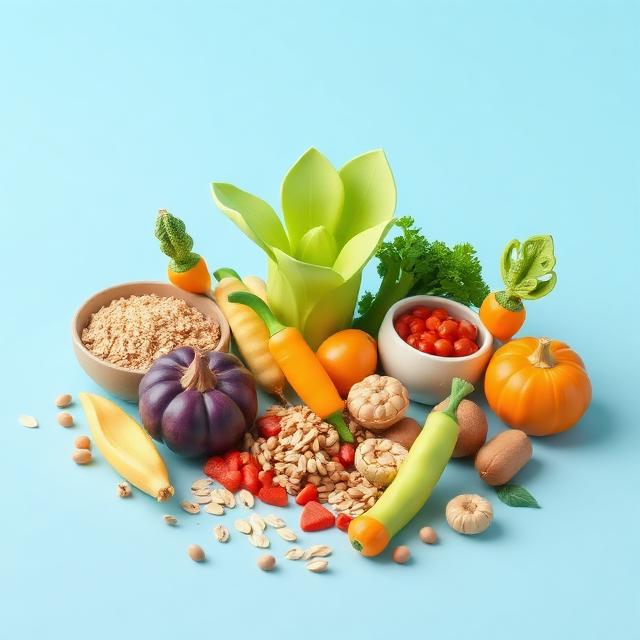
Following the blue zone diet means focusing on a variety of whole, unprocessed foods. Here’s a breakdown of the foods that are at the core of this way of eating:
- Vegetables: Leafy greens, root vegetables, tomatoes, squash, and more. These foods are a base for most meals.
- Beans and Legumes: Lentils, chickpeas, black beans, and fava beans provide steady plant protein and fiber.
- Whole Grains: Brown rice, barley, oats, and sourdough breads made from whole grains.
- Nuts and Seeds: Almonds, walnuts, sunflower seeds, pumpkin seeds, which are usually eaten daily in small amounts.
- Fruit: Berries, apples, bananas, citrus, and seasonal options are popular.
Foods that are eaten sometimes, but not every day, include small amounts of fish or seafood, eggs (a few times a week), and dairy products, usually in the form of cheese or yogurt. Meat is eaten rarely; sometimes only a few times per month, if at all.
Sugar and processed foods are kept to a minimum. Soda, packaged snacks, refined breads, candy, and other refined items are not a regular part of the blue zone diet.
I’ve found that having an occasional “cheat day” or enjoying a favorite food outside these guidelines is totally normal for most people. In blue zones, celebrations may include special treats, but the everyday diet stays plant forward and simple.
Emphasizing home-cooked traditional recipes is another hallmark of this diet. Meals are usually made from scratch, often with locally grown and seasonal produce. This boosts flavor and maximizes the nutrients in each bite.
Is the Blue Zone Diet Healthy?
Plenty of scientific evidence backs up the benefits of the blue zone diet. Eating this way supports healthy blood pressure, cholesterol, weight, and blood sugar. The diet is rich in fiber, antioxidants, healthy fats, and plant compounds that are linked to lower rates of heart disease, diabetes, and even some cancers.
If you’re hoping to lose weight, switching from a standard American diet to the blue zone diet often helps. The high fiber content keeps you feeling full and satisfied, while the focus on real foods means you cut out hidden sugars and fats.
But food isn’t the only thing that matters. Other lifestyle habits in blue zones play a massive role in healthy longevity. These habits include regular movement (like walking, gardening, and light physical activity throughout the day), strong connections with family and friends, low levels of chronic stress, and having a sense of purpose.
People in blue zones also tend to eat together as families or with friends, which further supports mental wellbeing and creates regular opportunities for laughter, celebrations, and deep conversations. This social connection may be just as valuable for health as the food itself.
Any Side Effects, Downsides, or Who Should Avoid the Blue Zone Diet?
The blue zone diet is considered safe for most people and has very few known negative side effects. However, it is lower in animal products and tends to have less protein and iron than typical Western diets. People with certain nutritional needs, such as athletes, pregnant women, or those with medical conditions that require more specific diets, should talk with their doctor or a dietitian before making dramatic changes.
Some people may also need to pay attention to getting enough vitamin B12, as this nutrient usually comes from animal products and may be lacking unless fortified foods or supplements are included. For most healthy adults, though, the diet is well balanced and supports overall health.
If you have allergies to nuts, gluten, or specific legumes, or if you have digestive concerns with high fiber diets, adjustments can be made. It’s possible to customize the blue zone approach to fit individual needs.
One other minor downside is the possible need to put more time into meal prep or grocery shopping, since you’ll be making more fresh, plantbased dishes at home. Planning ahead and cooking in batches can help overcome this hurdle.
Recent Trends and News Around the Blue Zone Diet
The blue zone diet has gained a lot of attention in recent years, thanks in part to books, documentaries, and the popularity of the Netflix series “Live to 100: Secrets of the Blue Zones.” Dan Buettner, a National Geographic explorer and journalist, continues to promote blue zone principles through public talks, publications, and the official Blue Zones website.
Recently, more cities in the US have started “Blue Zones Projects,” which try to help communities adopt similar eating and lifestyle patterns. Schools, offices, and local governments use these ideas to redesign meals and encourage more movement, community connection, and plantbased foods.
Blue zone inspired cookbooks and meal kits are now easy to find online and in stores. The buzz around plantbased living, sustainability, and healthy aging has made the blue zone diet a popular topic in social media and pop culture. Celebrities and health influencers also share their positive experiences trying out blue zone recipes and habits.
The growing interest in blue zone eating comes from the desire to enjoy life longer, not just to avoid disease. That’s what I find most appealing about this lifestyle. It fits into daily routines in a way that’s positive, sustainable, and enjoyable.
In the end, the blue zone diet isn’t really a “diet” in the traditional sense. It’s more of a mindset and a collection of simple, practical habits that make healthy living easier and more rewarding for the long term. Anyone can take a few steps from the blue zone playbook to give their wellbeing a boost.

I have never heard of the blue zone diet, and you are right that it is similar to the Mediterranean diet. It also makes a lot of sense that the foods that are eaten on these diets are the healthiest types of foods for your bodies. The only thing to be careful of is sometimes the fish may have too much mercury or iodine.
I could easily live off of a diet like this, but unfortunately the rest of my family loves their meat and potatoes, so it is just easier to fall in with whatever everyone else eats. I must really try and start instilling a night a week where we try and eat more healthily and increase it from there.
Thanks Michel! Yes it’s a fascinating diet and very interesting aspect of life longevity and overall sense of happiness and fulfillment.