
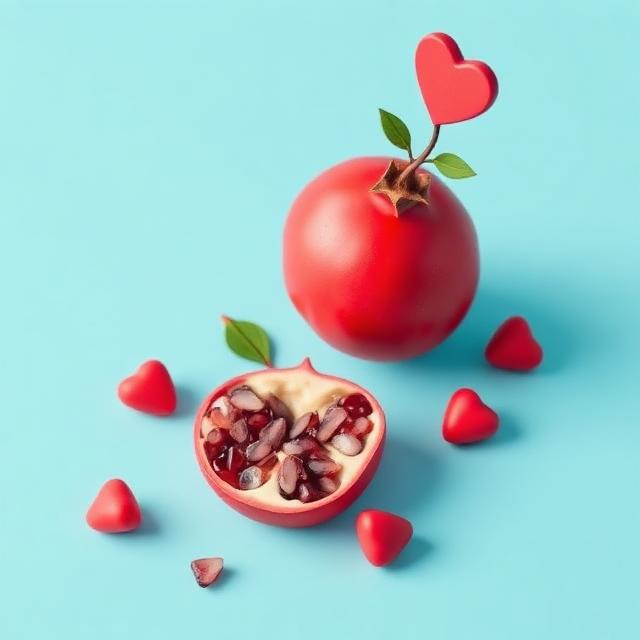

Pomegranates might look tough on the outside, but inside they’re packed with hundreds of bright, tart seeds that burst with flavor and nutrients. These ruby red fruits have made their way into myths, meals, and even modern relationship advice—thanks to something called the “pomegranate theory.” If you’ve seen this term online or heard it in conversations about romance or friendship, you’re probably curious what it actually means and why everyone’s talking about it. I’ll break down where this theory came from, what it represents, and why pomegranates have always been tied to love and care.
What Are Pomegranates, and Why Do People Love Them?
For anyone who hasn’t tried a pomegranate, it’s a thick, hard-skinned fruit about the size of an orange, usually red or pinkish with a distinct crown at the top. Crack it open, and you’ll find it filled with tiny, jewel like seeds called arils. Technically, it is categorized as a berry with nourishing seeds and pulp that comes. In mature fruit, the juice obtained by compressing the seeds comes across as a tart and sweet flavor. These seeds are juicy, sweet tart, and a little crunchy, making pomegranates popular in salads, desserts, juices, or just eaten straight from the shell.
The real appeal, besides the flavor, comes from the health perks. Pomegranates are loaded with antioxidants, fiber, vitamin C, and potassium. Studies even link them with heart benefits and reduced inflammation, making them a smart snack. They’re also low in calories, so you get a lot of nutrients for not many calories.
If you’ve tried eating a pomegranate, you already know it takes patience and grit. Cutting through that thick skin, prying apart the sections, and then picking out the seeds can be messy and time consuming. But many people say the extra work is part of the fun and can make the experience feel special. In many ways, cracking open a pomegranate is like opening a gift—the anticipation, the surprise, and the reward all add up to a unique snack time.
A Little Pomegranate History (and Some Mythology)
Pomegranates have a long background that goes back thousands of years. Originating in the Middle East and South Asia, they ended up everywhere from ancient Persia to Greece, Rome, and eventually the Americas. People have grown pomegranates for food, medicine, and their symbolism in art and religion.
One favorite story comes from Greek mythology: the tale of Persephone and Hades. As the story goes, Persephone ate a handful of pomegranate seeds in the underworld. Because of this, she had to spend part of each year away from her mother, Demeter. That classic myth was used to explain the change of seasons. Because of this and other legends, pomegranates have come to represent cycles, renewal, and sometimes forbidden love or temptation.
In ancient art, you’ll see pomegranates as symbols of fertility, prosperity, and relationships. They appear in poems, wedding rituals, and religious ceremonies. Some cultures used them as offerings, while others adorned their clothes or homes with pomegranate patterns to attract good luck or show affection. Pomegranates have also been highlighted in traditional medicine, where people used them for their healing properties. Today, they’re still a symbol of life, renewal, and plenty in festivals and holiday feasts around the world.
Pomegranate Theory: What Is It, and Why Is Everyone Obsessed?
The “pomegranate theory” is a recent wrinkle that people are utilizing to describe care and affection, especially in dating and friendships. The idea is pretty simple: when someone takes the time to peel a pomegranate for you, removing the stubborn skin, dividing the sections, separating the bitter parts—they’re showing patience, intention, and effort. It’s an act that requires time and a bit of love.
This everyday gesture is a metaphor for how small, consistent acts can mean a lot in relationships. It’s not always about buying exorbitant gifts or sweeping someone off their feet with over-the-top announcements. Instead, it’s the small and everyday displays of kindness, like peeling a pomegranate just so someone else doesn’t have to deal with the mess. In the age of instant communication and quick replies, these thoughtful moments really stand out. Most prominently, on social media, more people are sharing their own stories and examples about the pomegranate theory, giving it even more popularity as a relationship trend.
How Pomegranate Theory Applies to Relationships
There’s something truly genuine when someone who pays attention to the details and make your life a little easier or brighter. That’s what the pomegranate theory highlights—it’s about small acts of service or care that add up over time. Here are a few ways this shows up in everyday life:
- Romantic Partners: Someone peels your pomegranate, makes your coffee just the way you like it, or remembers to bring your favorite snack. These are signs they’re paying attention and care about your comfort.
- Friendships: A friend goes out of their way to help you study, listens while you vent, or saves you the last slice of pizza. These aren’t grand gestures, but they matter just as much, maybe more.
- Family Connections: Your sibling volunteers to do your chores when you’re tired or your parent leaves you a little treat after a hard day. These habits create trust and warmth in relationships over time.
The Meaning Behind the Effort
Taking the time to peel a pomegranate or do any small favor shows commitment and care. It’s not glamorous or exciting, and most people would even say it’s even a hassle or chore. But doing it anyway, and doing it repetitively, sends a clear message that you value the person. That’s the core of the pomegranate theory—thoughtfulness counts, and the little things are a stronger foundation for real connection than dramatic one-time gestures.
These gestures can be easy to overlook, but they quietly strengthen bonds. A partner remembering your coffee order, or a friend who always saves you a spot, is living out the pomegranate theory. Over time, these actions turn into genuine love that you can count on.
Eating Pomegranates: The Hassle Worth the Reward
The act of peeling and eating a pomegranate actually lines up with this whole theory. Some people find it challenging and awkward to get out the seeds without getting juice everywhere or biting into the bitter white pith. Here’s how I usually do it, and it makes things less messy:
- Cut off the crown—that blossom end.
- Score the skin in quarters, as if you’re going to peel an orange.
- Soak the fruit in a bowl of water, which helps loosen the seeds.
- Open it underwater and gently free the seeds with your fingers. The seeds sink, and the pith floats, so they’re easy to separate.
- Strain and dry the seeds, then enjoy!
This little process takes some time, but it can be kind of fun and rewarding. When you prep them for someone else, it’s also a chance to show you’re thinking of them. Serving up a bowl of fresh pomegranate seeds is a way to say you care without needing fancy words. Sharing food has always brought people together, and using pomegranates in this way connects you with a tradition that’s thousands of years old.
How to Use Pomegranates as a Gift or Romantic Gesture
Giving someone a pomegranate, or even better, serving a bowl of seeds you’ve already prepared, can be a memorable way to express your feelings. Here are ways to use pomegranates as an everyday or special occasion sign of affection:
- Include a small note next to a bowl of seeds, letting someone know you were thinking of them.
- Blend the seeds into a smoothie or mix them in a salad you’ve made for a date.
- Bring pomegranate-based sweets or homemade juice to your next hangout or celebration.
- If you’re gifting for Valentine’s Day, wrap a ripe pomegranate in a cloth or present it with a handwritten card. It’s different, healthy, and meaningful.
- Set up a breakfast with yogurt, granola, and a side of pomegranate seeds—this not only looks eye catching but also feels heartfelt.
Pomegranate Theory Around Valentine’s Day
During February, people are surrounded by ads for chocolates and roses, which can sometimes feel a bit generic. Using the pomegranate theory as your inspiration, you can show you care by doing something a little more personal. Peeling a pomegranate for someone or preparing a snack with pomegranate seeds can make your gesture memorable because it shows effort and intention. It’s especially nice if the person you’re giving to has mentioned liking pomegranates or healthy snacks.
If you want to go the extra mile, you can make a dessert, salad, or drink featuring pomegranate arils. The bright color and fresh flavor are perfect for the holiday vibe, and the fact that you spent a little extra time on something thoughtful will probably mean more than the treats themselves. Some people even use pomegranates in cocktails or mocktails for a festive twist or add the seeds to baked goods and chocolate bark for gifts that pop.
Comparing the Pomegranate and Orange Peel Theories
Pomegranate theory isn’t the only way people describe small acts of affection. You might’ve heard about “orange peel theory,” which is pretty similar. It’s all about doing little things for others—noticing when someone likes their citrus segments peeled and going ahead and doing it for them. These gestures can be anything from remembering how someone takes their tea to bringing them their favorite snack when you see they’ve had a rough day.
In both ideas, the focus stays on thoughtfulness, patience, and effort—especially when the gesture isn’t flashy. They remind people that real affection is often found in routines, habits, and the willingness to do the simple things that make someone else’s day a little better. Both theories are a way to check in with yourself: are you paying attention, and are you willing to do the patient, everyday stuff that shows you care?
Another key point is that anyone can use these theories, not just romantic couples. Friends, family, classmates, or coworkers can all show care by taking on the “peeling” role in their own way. It’s an idea that brings out empathy and boosts relationships of all kinds.
Small Gestures, Big Impact: Why Consistency Matters
While there’s nothing wrong with romantic getaways or surprise gifts, most relationships grow stronger through the everyday things people do for each other. The pomegranate theory is a reminder not to overlook the importance of simple, consistent care. Being reliable, thoughtful, and present is super important, and it helps lay the groundwork for trust and deep connection. Big moments are great, but it’s the daily acts—one seed or small gesture at a time—that really build closeness over months and years.
Staying consistent with these acts of care shows that someone isn’t just putting on a show; they’re investing in you for the long haul. That steady, reliable attention is the difference between a casual acquaintance and a real, meaningful bond.
Frequently Asked Questions
Question: How do I share the pomegranate theory with someone without sounding too intense?
Answer: Just talk about what it means to you or show it by example. You could say, “I think it’s sweet when people do little thoughtful things, like peeling pomegranate seeds for each other.” Bringing it up casually in conversation or as part of a snack is a natural way to share the idea.
Question: Are there any tricks for making pomegranates easier to eat?
Answer: Try cutting and soaking sections in water to loosen the seeds and reduce the mess. Some stores also sell pomegranate seeds pre-peeled if you want to skip the work altogether, but preparing them yourself adds a nice, sweet personal touch.
Question: What are some other small acts that carry similar meaning?
Answer: Making someone’s coffee, charging their phone for them, or saving the last bite of something they love—these are all small, thoughtful ways to show care, just like peeling a pomegranate.
Pomegranates in Daily Life: Wrapping Up
Pomegranates have stuck around for centuries because they taste good, provide health benefits, and pop up in all sorts of meaningful cultural stories. The pomegranate theory wraps up everything people love about these fruits—patience, care, and a little effort go a long way in relationships. Whether you’re prepping a snack for a friend or showing your partner some love, it’s the small, everyday actions that mean the most in the long run. Trying out a new tradition, like serving pomegranate seeds on a special day, could be the start of something sweet for you and the people you care about. The next time you see a pomegranate, maybe you’ll even think about who you’d peel it for, and what message that small, ruby red snack could send.
This is a very informative article, JC. Pomegranates are also packed with beneficial fiber. Pomegranates offer benefits, such as protecting heart health by lowering blood pressure and bad cholesterol. Pomegranate juice can be used to make jellies, puddings, and drinks. Pomegranates contain natural sugars, but they are not to be considered “high in sugar” compared to many other fruits. Thank you for a very educational article.
Best wishes,
Kent
Thank you Ken! the Pomegranate has gained a lot of attention lately, but still overlooked. Much better fruit then a strawberry for me.