

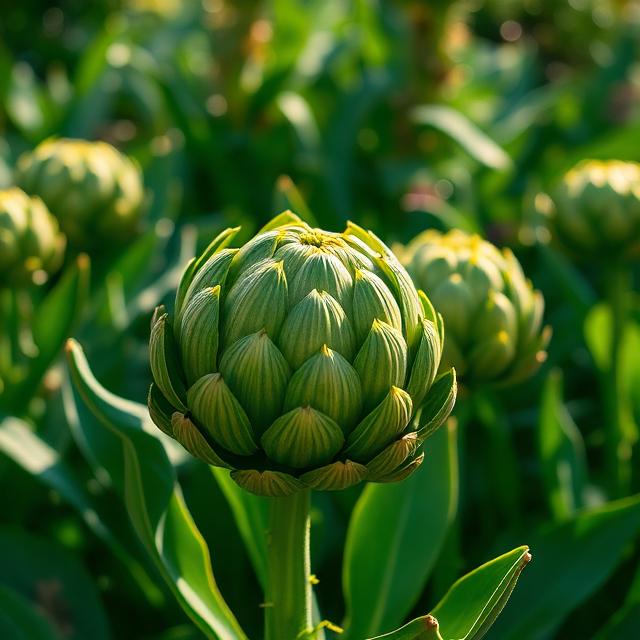
Have you ever stopped and really checked out an artichoke? It’s not your everyday, common veggie. Officially named Cynara cardunculus var. scolymus, this spiny, green bud is actually a type of thistle. Its outer layers may seem intimidating and difficult to prepare, with all those layers, but at its heart—literally—lies a delicious, tender delight loved by many.
Artichokes start their life as seedlings, carefully planted and nurtured within mild, temperate climates. If you’ve got an eye for gardening, you’ll find them cultivated mainly along the Mediterranean coast, parts of the U.S. like California, and scattered bits of South America. These areas provide the perfectly sandy soil and sunshine that artichokes thrive on. Harvesting is a bit of a trickster. Grab them right before the flower blooms to savor that perfect taste.
Variety is artichoke’s middle name. You’ve got the globe artichoke, which is the most familiar on dinner tables, and then other types like the smaller, sweeter baby artichokes. Each type brings its own unique flavor and texture, letting you mix it up in the kitchen.
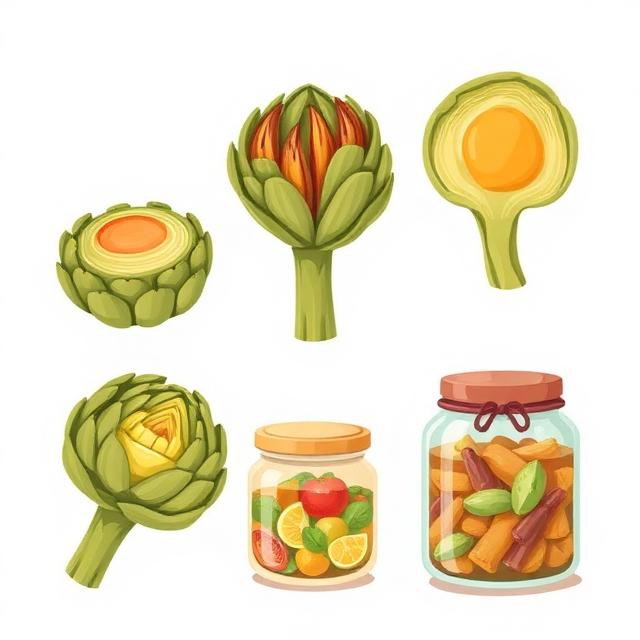
When you dissect an artichoke, you find fascinating bits. There’s the flower’s head, often the prize for culinary creatives. But it’s the artichoke heart that wins awards. Tender and flavorful, it elevates salads, pastas, and sometimes even stands alone as a star side dish. From stem to heart, every part has a kitchen role—if you know how to incorporate it.
Whether you’re getting into gardening or curious about its culinary uses, there’s always something new to learn about this intriguing vegetable. Dive in and discover how artichokes can become a staple in both your garden and your cooking repertoire!
The Artichoke’s Health Profile: Benefits and Considerations
Artichokes aren’t just about good looks and taste. Look closer, and you’ll see they’re pretty much packed with nutrients. Loaded with fiber, they’re an ally for anyone watching their waistline or aiming for better digestion. Toss in ample amounts of vitamin C, vitamin K, and an impressive dose of antioxidants, and you’ve got a healthy addition to any meal.
Eating artichokes could be like giving your body a mini-support package. They’re touted for helping with liver health and possibly boosting the body’s immune defenses. However, as with anything, moderation is key. Although artichokes are generally safe, eating too much can lead to digestive discomfort due to their high fiber content.
But artichokes aren’t just about direct consumption. Their extract is used in supplements and some folks sprinkle artichoke powder into smoothies, claiming it supports detoxification processes. Some creative chefs out there have even used artichoke leaves for their distinct flavor in teas and sauces.
On the flip side, remember that these interesting veggies can have their downsides. Those with gallbladder issues might want to steer clear, as artichokes can sometimes exacerbate the problem. It’s always wise to consult with a healthcare provider if you’re unsure about adding a lot of artichokes to your diet, especially if you have health concerns.
So, should artichokes debut or even be featured on your dinner plate? Given their nutrition profile and versatile uses, they’re worth a try. Just pay attention to your body’s response and adjust as needed. After all, it’s about finding balance and enjoying the foods that make you feel your best.
Culinary Creativity with Artichokes: Preparation and Incorporation
When it comes to eating artichokes, there’s a lot more going on than just boiling them. A good start is steaming or roasting, which brings out a sweet, nutty flavor. Once cooked, it’s about peeling off those petals, dipping them in butter, garlic aioli, or hollandaise, and scraping off the soft, pulpy goodness. But let’s shift gears into more adventurous territory!
For starters, you can chop up artichoke hearts and toss them into a creamy pasta sauce, or pair them with vibrant greens in a salad. Ever tried grilling them? The process adds a rich, smoky flavor that pairs perfectly with barbecue dishes. If you’re feeling especially crafty, stuff some artichokes with breadcrumbs, herbs, and cheese for a crowd-pleaser that’s sure to impress.
There’s a thing called the ‘artichoke diet’ that’s out there buzzing around. While adding artichokes to your meals could support health goals with their nutritious profile, relying heavily on them as a primary food source might not be the way to go. It’s always smarter to enjoy them alongside a variety of fruits, veggies, and proteins. A balanced diet is what keeps things interesting—and healthy!
Thinking about expanding your culinary skills? Try whipping up artichoke dip, a classic that never disappoints at parties and potlucks. Or, spread artichoke pesto over a warm, crusty baguette. You could even get fancy, incorporating mashed artichokes into veggie burgers for a tasty, fiber-rich twist.
Artichokes bring a lot of sass and class to the table, giving meals both flavor and health benefits. Experiment, play around with recipes, and find out what works best for you. With all these options, there’s always room to enjoy artichokes a new way!
Artichokes are not always available or easy to find, but the few times that I have had them in my life I have absolutely loved them, especially if dipped into a butter sauce.
However, I had no idea that Artichokes were good for liver function as well as immune function, so I should really make an effort to try and grow them or something.
Thanks for the idea of using them with a pasta, I am definitely going to try this once I get my hands on this delectable vegetable again.
Thanks Michel! I’ve always thought that artichokes looked so intimidating and downright inedible at the store. I had tried the canned pickled hearts and enjoyed them. I have just become curious about them and have recently started experimenting with them. They are pretty unique and interesting, just take a little extra preparation and creativity.