Eat More to Weigh Less: A Guide to the Volumetrics Diet
Let’s all be honest, the single most difficult aspect of trying to lose weight is the constant, nagging feeling of hunger. Most traditional diets require you to shrink your portion sizes, leaving you staring woefully at a miniscule plate of food and counting down the minutes until your next meal. If you’ve ever wished you could eat bigger portions and still lose weight, the Volumetrics Diet should grab your attention.
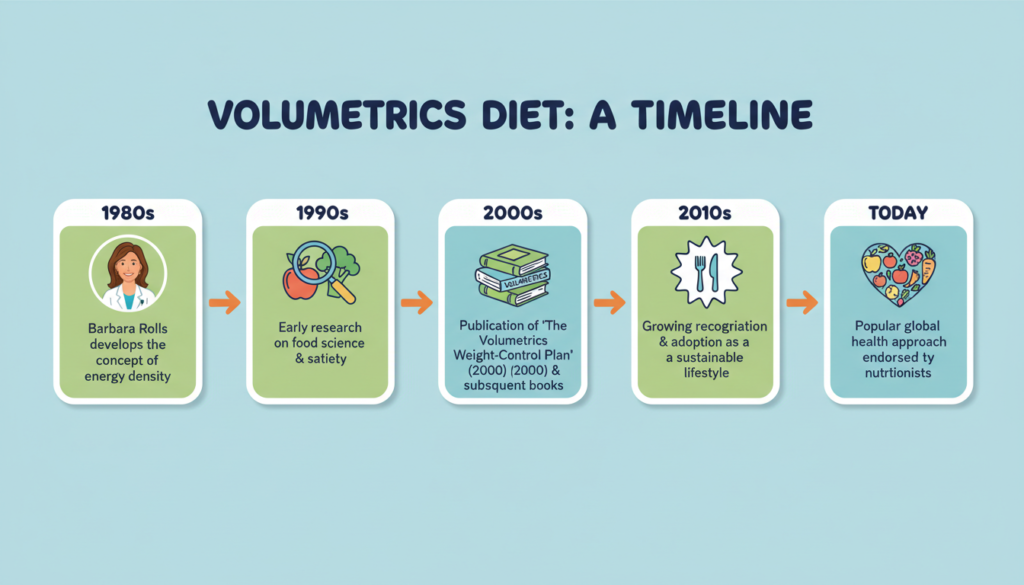
Created by nutrition professor Dr. Barbara Rolls, (Ultimate Guide) this approach focuses not on restriction or cutting entire food groups, but on the energy density of foods — basically, how many calories a food packs per bite. That is the core philosophy behind the Volumetrics Diet. It isn’t a popular or trendy diet, but It’s a scientifically backed approach to eating that focuses on feeling full and satisfied while not overconsuming calories.
Here is everything to know about how the Volumetrics Diet works and whether it might be the right fit for your lifestyle.
The Key Concept: Energy Density
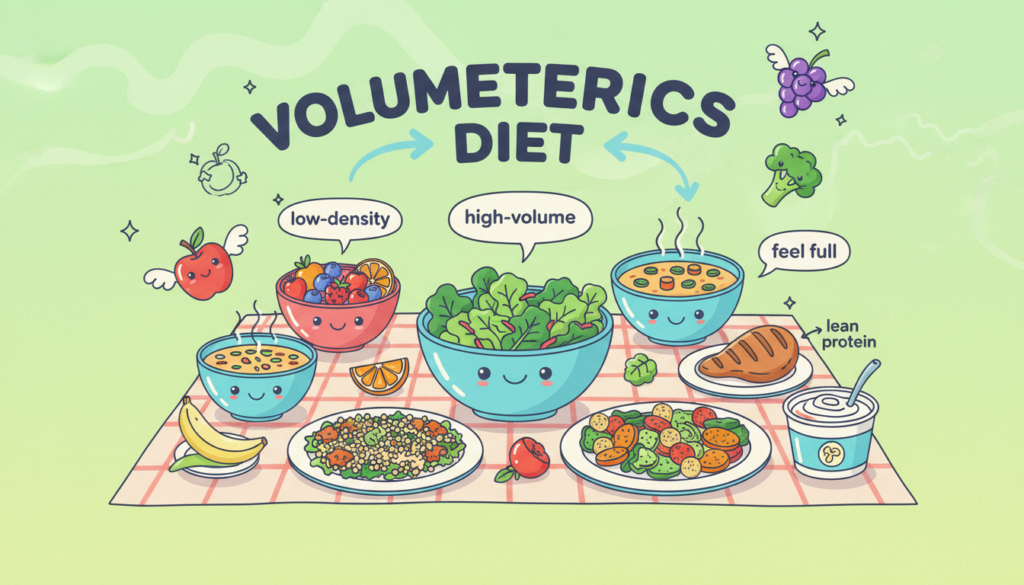
At its core, the Volumetrics Diet is about choosing foods that are lower in calories but higher in volume, which helps you feel full without overeating. The idea is that people tend to eat about the same weight or volume of food each day — so if you fill your plate with foods that have fewer calories per bite, you will naturally take in less energy while still feeling satisfied.
The Volumetrics Diet is entirely based on the concept of energy density (also known as calorie density). Energy density is simply the number of calories in a specific amount (or volume) of food.
Because our brains rely on the physical expansion of our stomachs to signal that we are full, eating a large volume of low-calorie food convinces your brain into feeling satisfied. You get the psychological and physical comfort of a big meal minus the calorie overload.
The 4 Food Categories
Volumetrics doesn’t ban any specific foods. Instead, it divides food into four categories based on their energy density, guiding you on how to portion them.
Category 1: Freebies (Very Low-Density) These are the foods you can eat almost endlessly. They should make up the bulk of your meals.
- Non-starchy vegetables (broccoli, tomatoes, mushrooms)
- Water-rich fruits (berries, melon, apples)
- Broth-based soups
Category 2: Staples (Low-Density) These form the foundation of your meals and provide sustained energy. You should eat these in reasonable, normal portions.
- Whole grains (brown rice, quinoa, whole-wheat pasta)
- Lean proteins (poultry, white fish)
- Legumes (beans, lentils)
- Low-fat dairy
Category 3: Moderation (Medium-Density) These are more calorie-dense and should be eaten mindfully. Pay close attention to portion sizes here.
- Fattier meats and cheeses
- Refined carbohydrates (white bread, regular pasta)
- Salad dressings
- Ice cream or cake
Category 4: Sparingly (High-Density) These foods pack a ton of calories into a tiny bite. They aren’t forbidden, but they should be used strictly as accents or occasional treats.
- Nuts and seeds
- Butter and oils
- Candies, cookies, and chips
The Pros and Cons
Like any nutritional approach, Volumetrics has its strengths and limitations.
The Pros:
- By focusing on high-volume foods, you rarely feel deprived.
- Because no foods are strictly off-limits, it’s easier to maintain long-term and navigate social situations.
- Naturally pushes you toward eating more vegetables, fruits, and whole grains, improving your overall health.
- Backed by scientific research on satiety and energy density
- Flexible — can adapt to vegetarian, Mediterranean, or other preferences
- Focuses on sustainable habits rather than quick fixes
The Cons:
- Because the diet focuses strictly on calories per gram, incredibly healthy foods like avocados, nuts, and olive oil end up in Categories 3 and 4. You have to consistently remember to include them in moderation for hormonal and brain health.
- Relying heavily on fresh produce and whole grains usually means more time spent chopping, cooking, and preparing meals at home.
- It doesn’t heavily emphasize the balance between protein, fat, and carbs, which some people need to optimize their fitness goals.
- Requires some learning curve about energy density
- Not designed for very specific health conditions without guidance
By swapping calorie-dense foods for lighter, nutrient-rich ones, you can enjoy generous portions, feel satisfied, and gradually manage your weight in a way that’s sustainable and realistic.
If you’re tired of feeling like dieting means going hungry, this approach turns that idea on its head — one big, veggie-filled bowl at a time.
The Bottom Line
The Volumetrics Diet is a highly practical, reality-based approach to weight management; it isn’t about eating less — it’s about eating smarter. It validates the very real human desire to eat until we are full, while easily adapting the modern habit of consuming highly processed, calorie-dense foods. If you are sick of eating tiny portions and want to build a better relationship with vegetables and whole foods, this approach is well worth exploring.
Sample 1-Day Volumetrics Meal Plan
This menu demonstrates how to strategically use Category 1 (Freebies) and Category 2 (Staples) foods to build massive, filling meals while keeping your total calorie intake in check.
Breakfast: “Volumized” Berry Oatmeal By cooking the oats with a bit more liquid and loading them up with water-rich fruit, you double the size of the meal without doubling the calories.
- 1/2 cup of rolled oats cooked with water or skim milk (Category 2)
- 1 heaping cup of fresh strawberries and blueberries (Category 1)
- A sprinkle of cinnamon (Category 1)
- Side: 3 scrambled egg whites loaded with a handful of spinach (Categories 1 & 2)
Lunch: Soup and a Giant Salad Broth-based soups are the ultimate Volumetrics hack. Eating a bowl before your main meal physically fills your stomach, making you feel full faster.
- 1 large bowl of clear minestrone or vegetable broth soup (Category 1)
- Massive mixed greens salad (spinach, cucumbers, tomatoes, bell peppers) (Category 1)
- 4 oz grilled chicken breast (Category 2)
- 2 tablespoons of light vinaigrette dressing (Category 3)
Afternoon Snack: Crunch and Dip Skip the potato chips (Category 4) and get that satisfying crunch from fresh produce.
- 1 large sliced apple (Category 1)
- 1 cup of baby carrots and celery sticks (Category 1)
- 1/4 cup of hummus (Category 3)
Dinner: Turkey and Zucchini Pasta Mixing regular pasta with vegetable noodles is a classic Volumetrics trick. You get the comforting taste of pasta but double the portion size by bulking it up with veggies.
- 1/2 cup of whole-wheat pasta (Category 2) mixed with 1 cup of zucchini noodles (“zoodles”) (Category 1)
- 4 oz lean ground turkey (Category 2) cooked into a chunky tomato and mushroom marinara sauce (Category 1)
- Side: Steamed broccoli with a squeeze of lemon (Category 1)
Dessert: Sweet Volume
- 1 large bowl of cubed watermelon or a bunch of frozen grapes (Category 1)
- Optional: 1 small dollop of light whipped topping (Category 3)
Bonus Volumetrics Tips
- Drink plenty of water — thirst can mimic hunger.
- Focus on high‑volume, low‑calorie foods (soups, fruits, veggies).
- Choose lean proteins and whole grains sparingly.
- Treats are allowed — just balance them with lighter meals.
Sample Volumetric Meal Plans: