


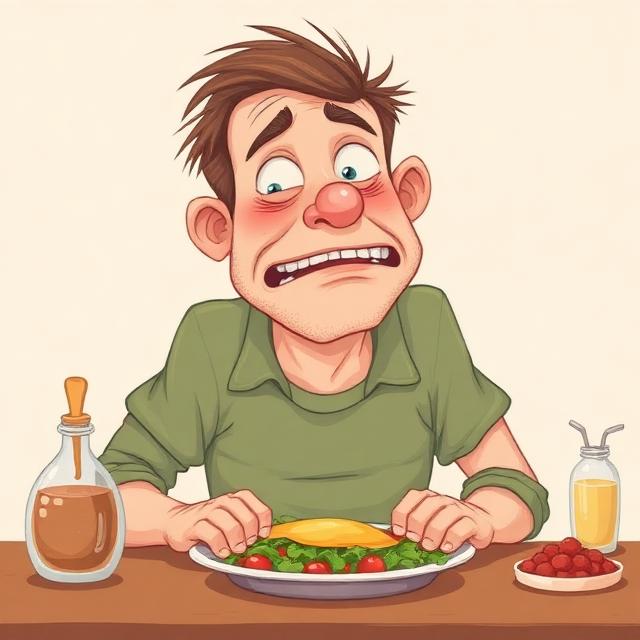
Eating disorders aren’t just about food or weight. They are serious mental health conditions that affect how people think, act, and feel about food and body image. Anorexia nervosa, bulimia nervosa, and binge eating disorder are the major players in this space. Each comes with its own set of challenges and health implications.
Anorexia nervosa is often what comes to mind when people think of eating disorders. It involves restricted eating and a fear of gaining weight. Bulimia nervosa features binge eating followed by purging, like vomiting or excessive exercising. Binge eating disorder involves episodes of eating large amounts of food without purging, leading to feelings of guilt or shame.
Public perception around eating disorders can be complicated. Many people still view these disorders as lifestyle choices rather than real medical conditions. This stigma can often make it difficult for those affected to seek help. Education and open conversation are crucial to break down these barriers.
Understanding that eating disorders don’t discriminate is important. They can affect anyone, regardless of age, gender, or background. Often, they’re linked to emotional stress, societal pressures, or genetic predispositions. Creating more spaces for honest dialogue can help shift public opinion and provide support for those who need it most.
Who is at Risk: Warning Signs and Causes of Eating Disorders
Recognizing the warning signs of eating disorders early can be a game-changer. Changes in behavior around food, such as skipping meals or obsessing over calories, can be red flags. Other symptoms include rapid weight changes, withdrawal from social activities, or constantly checking one’s appearance in mirrors. Emotional warning signs might include mood swings, irritability, or a preoccupation with dieting or body image.
The roots of eating disorders are tangled and varied. Psychological factors often play a big role, with patterns of thinking that promote negative self-image or perfectionism contributing to development. Genetics can also stack the odds, as family history may increase vulnerability.
Social and environmental pressures can’t be ignored. Cultures that idolize thinness or have a narrow definition of beauty can push individuals toward unhealthy eating practices. Trauma or stress, whether personal or academic, might also trigger these disorders.
Understanding these causes highlights the need for a supportive environment. If you notice someone showing signs, encourage open conversations and be patient. Addressing the issue without judgment can make it easier for the person to seek professional help.
The Impact of Eating Disorders: Short and Long-Term Consequences
The effects of eating disorders extend far beyond the immediate. Physically, they can lead to severe issues like nutritional deficiencies, heart problems, or gastrointestinal complications. The mental toll is just as pressing, often resulting in anxiety, depression, or severe self-esteem issues.
In the short term, those living with an eating disorder might experience fatigue, dizziness, or fainting spells due to lack of nutrition. As the disorder progresses, these symptoms can escalate into more serious health threats. For instance, anorexia can lead to bone density loss, while bulimia might cause dental erosion from repeated vomiting.
Long-term consequences can be life-altering, including potential infertility, chronic fatigue, or irreversible damage to organs. These disorders can also severely impact daily life, interfering with relationships, academic success, or professional achievements.
Understanding the gravity of these potential outcomes emphasizes the importance of early detection and intervention. If you or someone you know is struggling, seeking help sooner rather than later can prevent these severe consequences. Mental health professionals can provide strategies to manage and recover from these disorders.
Community support and understanding can greatly aid recovery. Sharing stories and promoting awareness can help lessen the stigma and encourage those affected to pursue healthier lifestyles. A person recovering from an eating disorder thrives in an environment where they feel heard and supported.
Eating Disorders in Athletes: A Unique Challenge
Athletes face unique pressures and demands that can make them more susceptible to eating disorders. Their need for optimal performance often pressures them to maintain a certain body weight or image, leading to unhealthy eating behaviors. The caloric demands for athletes are high, and failing to meet these needs can quickly turn into a health crisis.
Sports that emphasize aesthetics or weight categories, like gymnastics, wrestling, or ballet, present a greater risk. Athletes in such sports might feel compelled to cut weight rapidly or maintain an unrealistic physique, increasing their eating disorder risk. The competitive atmosphere might also exacerbate feelings of inadequacy or perfectionism, further fueling disordered eating.
Bulimia and anorexia are particularly common among athletes. The pressure to constantly outperform can make athletes resort to extreme measures to control their body weight or shape. In recent years, even Olympic athletes have come forward with their struggles, shedding light on this pervasive issue.
The danger of eating disorders in athletes isn’t just physical. Performance can suffer when the body isn’t properly fueled, leading to injury or burnout. Mental health, too, can decline, impacting an athlete’s focus or ability to cope with competition stress.
To mitigate these risks, it’s important to foster environments that promote healthy body image and eating habits. Coaches, trainers, and teammates play a vital role in encouraging balanced nutrition and addressing any early signs of trouble. Conversations around nutrition need to be informed and supportive, not directive or punitive.
Pathways to Recovery: Treatment, Management, and Support
Finding the right treatment for eating disorders can be a pivotal step towards recovery. Options typically include therapy, nutritional counseling, and sometimes medication. Cognitive-behavioral therapy (CBT) is commonly used to address disordered thoughts and behaviors around food.
Support from family and friends can play a crucial role in the recovery journey. Creating a non-judgmental environment where individuals feel safe to express themselves is vital. Encouraging professional help without pressure or bias supports both emotional and physical healing.
Sharing stories of well-known individuals who have battled eating disorders can inspire hope. When public figures open up about their struggles, it helps break down barriers and stigmas, making it easier for others to come forward and seek help.
Raising awareness is key to fostering understanding and reducing stigma. Community programs and school workshops can promote healthier attitudes about body image and nutrition, spreading much-needed information about prevention and support resources.
Whether you’re supporting a loved one or experiencing an eating disorder yourself, know that help is available. Resources like helplines, support groups, and therapists specializing in eating disorders are invaluable. Creating awareness and fostering compassion can make all the difference.